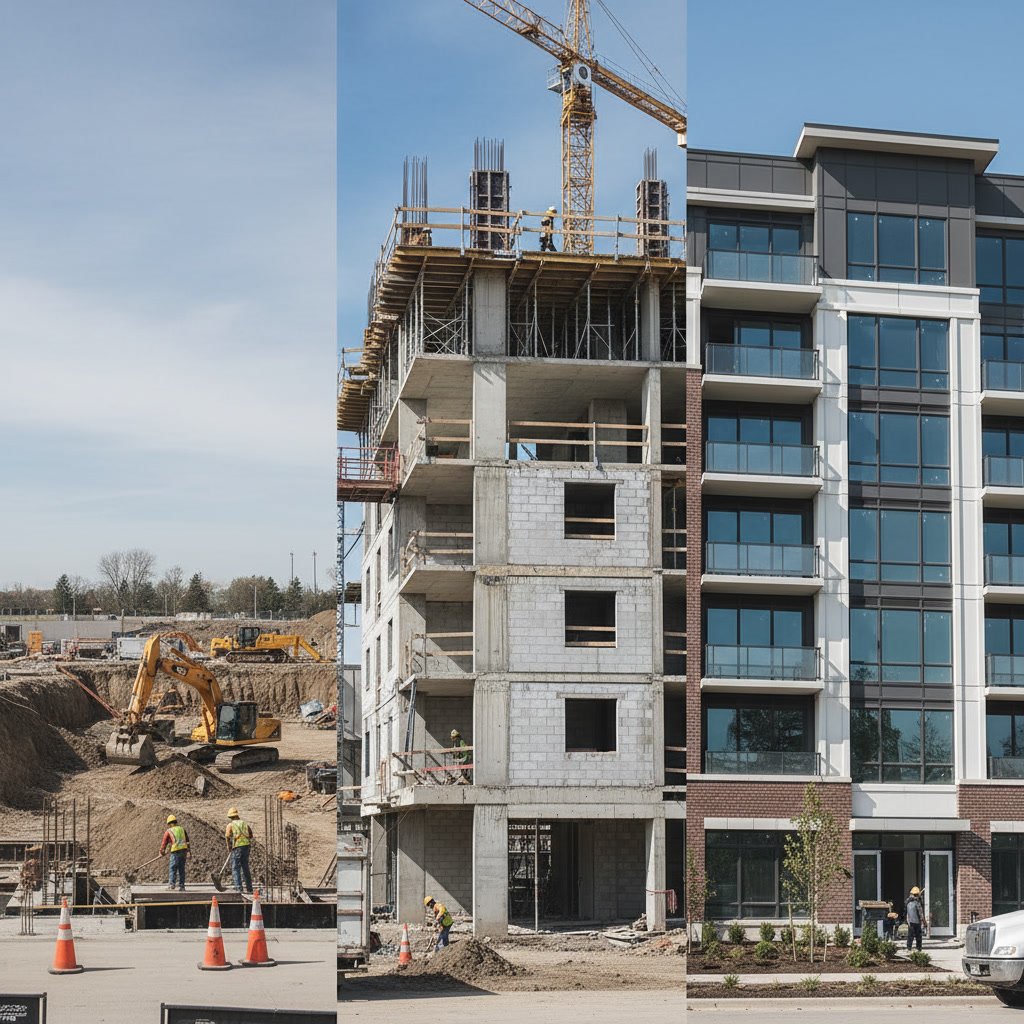



Before signing a reservation agreement or wiring a deposit for a pre-construction condo, buyers should thoroughly research the developer’s history, completed projects, financial stability, and reputation. To verify condo developer credentials, start by reviewing past projects, checking litigation records, confirming financial solvency, and speaking with previous buyers. This due diligence protects your deposit and ensures the project will deliver as promised.
South Florida’s luxury condo market attracts developers of varying experience and integrity. A polished sales center and glossy renderings do not guarantee a successful project. The gap between promise and delivery can cost buyers tens of thousands of dollars in delays, construction defects, or worse, a project that never completes.
Why Developer Background Checks Matter in South Florida
Florida law provides limited protection for pre-construction condo buyers compared to traditional home purchases. Developers can legally hold your deposit in escrow, but if the company files for bankruptcy or abandons the project, recovering those funds becomes a lengthy legal battle. The state does not insure deposits the way banks insure savings accounts.
Markets like Brickell and Miami Beach have seen both spectacular successes and high-profile failures. Some developers complete projects on time and on budget. Others face lawsuits, construction liens, or foreclosure before the first resident moves in. Understanding a developer’s past performance is the single most important step in protecting your investment.
Start With Completed Projects in Your Target Market
Visit buildings the developer has already delivered, ideally within the past five years. Walk through common areas, observe construction quality, and note any visible defects or deferred maintenance. A developer’s past work predicts future performance more accurately than any marketing promise.

Speak with current residents if possible. Ask about construction delays, build quality, how the developer handled punch-list items, and whether amenities were delivered as promised. Online reviews on Google and building-specific forums often reveal patterns of complaints or praise. Pay special attention to how the developer responded to problems after closing.
Check whether previous projects required special assessments shortly after completion. Unexpected assessments often signal poor construction planning or the developer cutting corners to meet budget. Public records at the county clerk’s office will show recorded assessments and construction liens.
Review Litigation History and Court Records
Every developer faces occasional disputes, but chronic litigation signals deeper problems. Search court records in Miami-Dade, Broward, Palm Beach, and Orange counties for cases involving the developer or its principals. Look for patterns of breach of contract claims, construction defect lawsuits, or unpaid subcontractors.
Florida’s online court docket systems allow free searches by party name. Note both the number of cases and their outcomes. Developers who settle quickly often value reputation. Those who fight every claim or ignore judgments may prioritize profit over relationships. Class-action lawsuits by buyer groups deserve particular scrutiny.
Check whether the developer has faced regulatory actions from the Florida Department of Business and Professional Regulation. Violations of disclosure requirements or escrow mismanagement appear in public disciplinary records. These violations sometimes precede larger failures.
Confirm Financial Stability Through Public Records
A developer’s financial health determines whether your project will finish. Request audited financial statements if the developer is publicly traded or willing to share them. For private developers, check construction loan approvals and lender relationships. Reputable lenders perform their own due diligence, and their willingness to finance a project provides some reassurance.
Search for bankruptcy filings under both the developer’s corporate name and the names of principals. Chapter 11 filings do not always doom a project, but they reveal cash flow problems and competing creditor interests. Review how previous bankruptcies were resolved and whether buyers recovered deposits.
Verify that deposits are held in proper escrow accounts as required by Florida law. The offering documents must disclose escrow arrangements. If the developer uses deposits for construction expenses before closing, your funds are at greater risk. Some developers offer higher returns to buyers in exchange for non-refundable deposits, a red flag that signals either aggressive growth or financial desperation.
Examine the Development Team and General Contractor in Brickell Projects
The developer rarely builds the project alone. Investigate the general contractor, architect, and engineering firms involved. Experienced teams with multiple South Florida projects reduce risk significantly. First-time partnerships between a developer and an untested contractor increase the odds of delays and cost overruns.
Check the general contractor’s license status with the Florida Department of Business and Professional Regulation. Verify the license is active, in good standing, and covers the scope of work planned. Review the contractor’s bonding capacity, which indicates financial strength and the ability to complete large projects.
Ask how many projects the development team has completed together. Long-standing relationships between developer, contractor, and architect often produce smoother execution. Teams working together for the first time face coordination challenges that can delay delivery.

Request and Review the Offering Documents Carefully
Florida law requires developers to provide a prospectus or offering circular before accepting deposits. This document must disclose the developer’s experience, financial condition, project timeline, and material risks. Read every page. The disclosures buried in the middle often reveal the most important information.
Pay attention to contingencies that allow the developer to cancel the project and refund deposits. While these clauses protect buyers in some scenarios, they also give developers an exit if market conditions change. Understand under what circumstances you might receive your deposit back years after reserving, potentially missing other investment opportunities.
Note the estimated completion date and any language about extensions. Most offering documents include clauses allowing 12 to 24 months of delay without penalty. Developers who consistently miss even these extended deadlines demonstrate poor project management. Compare promised timelines in previous projects to actual delivery dates.
Talk to Real Estate Professionals Who Know the Developer
Local brokers who specialize in pre-construction sales often have inside knowledge about developer reputations. Ask your agent about their experience with the developer’s previous projects. Did closings occur on schedule? Were buyers satisfied with quality? How did the developer handle problems?
Brokers at Florida Real State Specialist track developer performance across South Florida markets. Their experience with multiple projects provides context that individual buyers lack. A professional who has guided clients through successful closings with a developer offers valuable reassurance.
Construction attorneys who represent buyers in pre-construction transactions see patterns across developers. Consider a brief consultation to discuss any red flags in the offering documents or developer history. The cost of an hour with an attorney is negligible compared to the risk of a failed project.
Check Pre-Sales Percentages and Financing Commitments
Most construction lenders require 50% to 70% of units sold before funding a project. This pre-sale threshold protects the lender and also protects you. A project that cannot achieve minimum pre-sales may indicate weak market demand or an overpriced offering.
Ask the developer what percentage of units are reserved and what percentage have firm, non-contingent contracts. Reservations can evaporate if buyers walk away during the rescission period or fail to qualify for financing. Contracts with mortgage contingencies provide less certainty than cash buyers or pre-approved purchasers.
Confirm that the construction loan is approved, not just in negotiation. Developers sometimes accept deposits before securing financing, exposing buyers to the risk that the project never breaks ground. If you are deciding between similar projects, understanding the pre-construction buying process step by step helps you compare financing strength across developments.

Investigate Subcontractor and Supplier Relationships
Unpaid subcontractors can file mechanics liens against the property, clouding title and delaying closings. While buyers are rarely personally liable for these debts, liens complicate the closing process and sometimes require legal intervention to clear.
Search public records for construction liens filed against the developer’s previous projects. A pattern of unpaid suppliers suggests cash flow problems or disputes over work quality. Developers who pay subcontractors promptly rarely face liens.
Ask whether the developer uses union or non-union labor. This is not a quality judgment but a risk assessment. Union projects sometimes face different labor dynamics and cost structures. Either approach can succeed, but understanding the labor strategy helps you evaluate budget realism.
Compare Developer Promises Against Market Realities
Developers who promise unrealistic timelines, below-market pricing, or guaranteed appreciation are either inexperienced or dishonest. Construction takes time, quality costs money, and no one can guarantee future property values. Be skeptical of claims that seem too good to be true.
Compare the developer’s unit pricing to similar projects in the same market. If prices are significantly lower, ask why. The developer may be undercapitalized and desperately seeking deposits, or the project may have hidden issues that informed buyers avoid. Similarly, prices far above market suggest the developer may not achieve pre-sale thresholds.
Review the amenity package against the price point. Luxury amenities cost money to build and maintain. Developers promising resort-style features at mid-market prices may deliver substandard construction or face budget shortfalls during construction. For investors considering property management after delivery, realistic budgets predict lower special assessments.
Trust Your Instincts and Seek Second Opinions
If the developer or sales team pressures you to deposit quickly without adequate time for due diligence, walk away. Legitimate developers understand that informed buyers perform research. High-pressure tactics often hide problems the developer does not want discovered.
Share your findings with trusted advisors before committing. A second set of eyes often catches details you missed. Real estate attorneys, accountants, and experienced agents can evaluate risk differently and raise questions you had not considered.
The reservation deposit is usually small, but the full deposit due after the rescission period can reach 20% or more of the purchase price. That represents a significant sum worth protecting through careful verification. The time invested in research now prevents costly mistakes later.
Making an Informed Decision Protects Your Investment
Thorough research into a developer’s track record, financial stability, and litigation history separates successful pre-construction purchases from costly mistakes. Visiting completed projects, reviewing court records, confirming financing, and consulting with experienced professionals provides the information needed to assess risk accurately. Developers with strong track records welcome scrutiny because their history speaks for itself.
Whether you are considering a new development in Miami Beach or exploring opportunities across South Florida, Florida Real State Specialist helps buyers navigate pre-construction purchases with confidence. Our team provides market insights, developer evaluations, and transaction support throughout the buying process. Reach out at +16464048166 to discuss your next investment and ensure you work with developers who deliver on their promises.