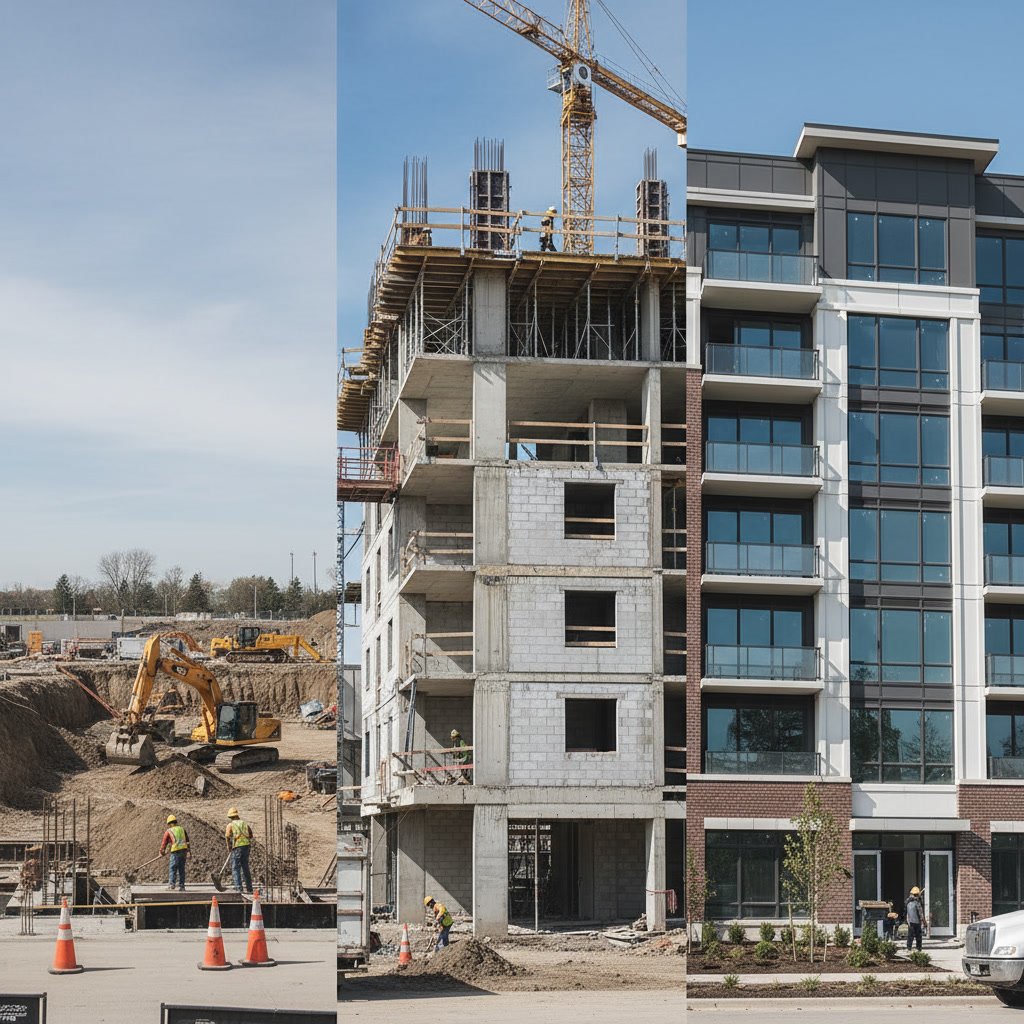



New development condo projects follow a structured timeline from initial planning through final occupancy, typically spanning 18 to 36 months depending on project size and complexity. Understanding how new developments work gives buyers a realistic timeline for their purchase and helps them navigate each phase with confidence. The process involves multiple stages including permitting, pre-construction sales, construction milestones, and final closing, each with specific requirements and deadlines that directly impact your purchase agreement and move-in date.
Why Developers Launch Projects Before Breaking Ground
Most developers begin marketing and selling units before construction starts because securing buyer commitments reduces financial risk and helps obtain construction financing. Lenders want to see that 30% to 50% of units have signed contracts before approving full project funding. This pre-construction phase allows developers to gauge market demand and make adjustments to unit mix, pricing, or amenities based on buyer feedback.
Buyers who purchase during this early phase often receive lower pricing compared to later phases or completed inventory. However, you accept longer wait times and some construction risk in exchange for these savings. The developer uses your deposit, held in escrow, as proof of project viability to banks and investors.
Planning and Permitting Takes Longer Than Most Buyers Expect
Before a single shovel hits dirt, developers spend six to 18 months securing land, finalizing architectural plans, and obtaining necessary permits from local authorities. This phase includes environmental studies, zoning approvals, and engineering reviews that can face unexpected delays. Cities like Miami Beach and Brickell have strict building codes and review processes that add time to this stage.

Smart buyers research the developer’s track record during this phase and verify that all major permits are in place before signing a purchase agreement. Projects that break ground without final permits often face costly delays that push back your closing date by months or even years.
The Pre Construction Sales Timeline and Deposit Structure
When you reserve a unit during pre-construction, you typically make an initial deposit of 10% to 20% of the purchase price, paid in installments over several months. The first deposit might be $5,000 to $10,000 at reservation, followed by additional payments at contract signing, groundbreaking, and construction milestones. These funds sit in an escrow account and are only released to the developer at specific stages approved by your purchase agreement.
Florida law requires developers to place deposits in escrow until the project reaches certain completion benchmarks or until closing. This protects buyers if the project fails to move forward. Your contract should clearly specify the refund conditions if the developer cannot complete the project or if you need to cancel under allowed circumstances.
What Your Purchase Agreement Should Include
Every pre-construction contract should detail the estimated completion date with provisions for reasonable delays, the exact unit specifications including square footage and finishes, all upgrade costs, and your cancellation rights. Many buyers fail to negotiate a reasonable outside closing date, which gives the developer unlimited time to complete the project. Insist on a specific outside date, typically 24 to 36 months from contract signing, with the option to cancel and receive your deposit back if that deadline passes.
Foundation to Shell Construction Marks Real Progress
Once permits are secured and pre-sales reach target levels, construction begins with site preparation and foundation work. This phase typically takes four to eight months for mid-rise buildings and longer for high-rise towers. You’ll see the most visible progress during this stage as the building structure rises floor by floor.
Developers often schedule site visits or provide photo updates during construction so buyers can track progress. These visits also let you verify that construction matches the quality standards promised in marketing materials. If you notice concerning issues during a site visit, working with an experienced buyer’s agent helps you address problems with the developer before they become bigger issues at closing.
Interior Build Out and Your Upgrade Selections
After the shell is complete, contractors begin interior work including plumbing, electrical, HVAC systems, drywall, and finishes. This phase takes another six to 12 months depending on building size. During this period, the developer typically schedules design center appointments where you select finishes, fixtures, and any upgrades beyond the standard package.
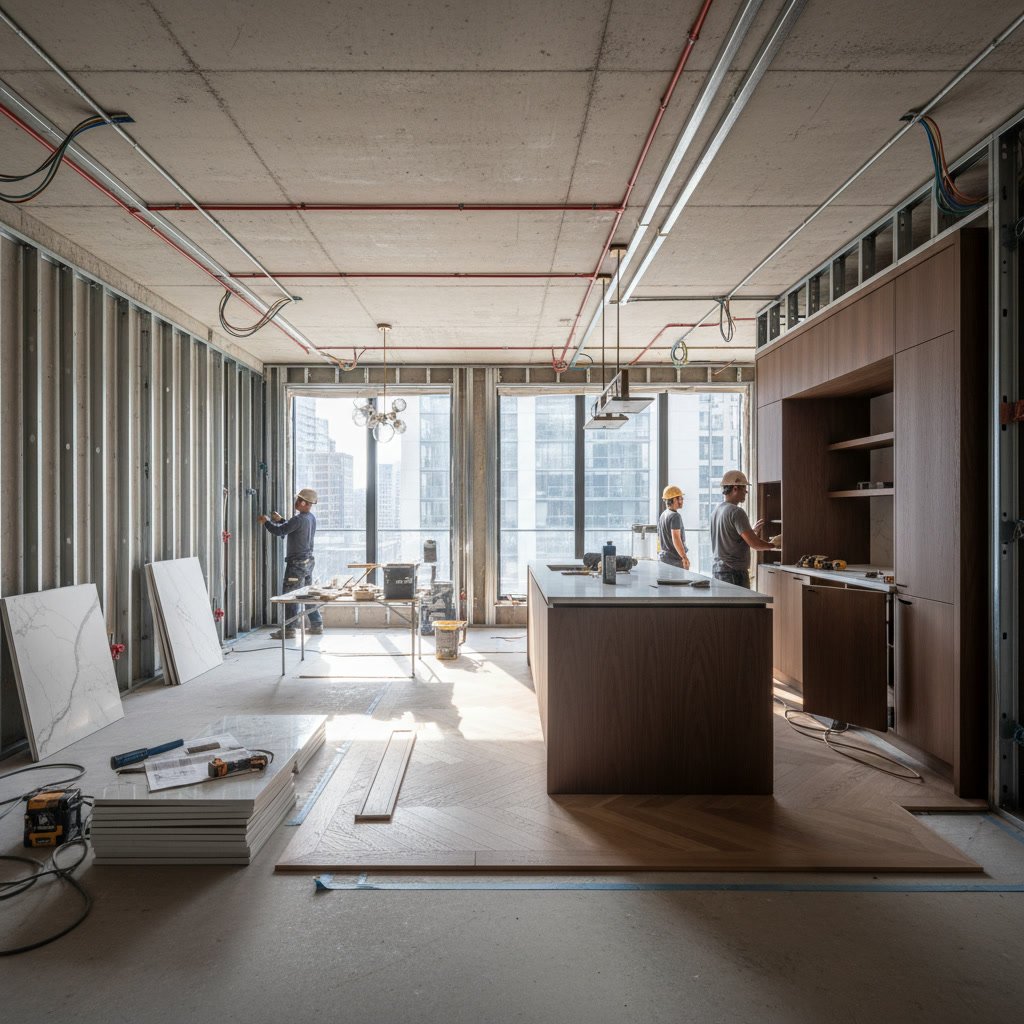
Budget carefully for upgrades because costs add up quickly. A premium countertop upgrade might cost $3,000 while custom closet systems can run $10,000 or more. All upgrade selections must be finalized by a specific deadline, usually six to nine months before estimated completion. Missing this deadline means you get standard finishes only.
Certificate of Occupancy Signals the Final Stretch
Before any resident can move in, the building must pass final inspections and receive a Certificate of Occupancy from local building authorities. This certificate confirms the building meets all safety codes and is habitable. The CO process can take several weeks as inspectors review fire safety systems, elevators, electrical systems, and structural elements.
Developers sometimes receive temporary COs that allow partial occupancy while minor punch-list items are completed. Your closing cannot occur until the building has at least a temporary CO. Delays in receiving the CO are common and represent one of the biggest risks in pre-construction purchases.
Pre Closing Walkthrough Protects Your Investment
About one to two weeks before your scheduled closing date, you’ll conduct a pre-closing walkthrough of your specific unit. This inspection lets you identify any defects, missing items, or work that doesn’t match your contract specifications. Bring your purchase agreement, upgrade list, and floor plan to verify everything is correct.
Common Issues Found During Walkthrough
Typical problems include paint touch-ups needed, appliances not installed or not functioning, scratched floors or countertops, incomplete caulking, and missing hardware or fixtures. Create a detailed punch list with photos and require the developer to fix all issues before closing or establish an escrow holdback to ensure repairs are completed after closing. Never accept promises that issues will be fixed after you close without financial protection.
Closing Costs and Final Funding for New Construction in Brickell
Closing costs on new development condos typically run 2% to 4% of the purchase price, similar to resale properties but with some differences. You’ll pay for title insurance, recording fees, property taxes prorated from closing date, first year of insurance, and initial HOA fees. New construction often includes developer fees or transfer fees not present in resale transactions.
Your lender will require a final appraisal before funding your mortgage, and this appraisal happens just days before closing. If the unit appraises below your contract price, you’ll need to bring additional cash to closing or renegotiate with the developer. This situation occurs more frequently with pre-construction purchases where market conditions have changed since you signed your contract years earlier. Understanding how to evaluate new developments before committing helps you avoid overpaying.

The First Year After Move In Brings Warranty Coverage
Florida law requires developers to provide a one-year warranty covering defects in materials and workmanship, plus longer coverage for structural elements and major systems. Document any issues you discover during your first year and report them to the developer in writing before the warranty expires. Common first-year issues include settling cracks, plumbing leaks, HVAC problems, and appliance failures.
The condo association typically assumes control from the developer once a certain percentage of units have closed, usually 90%. This transition period can be bumpy as the new board discovers issues with building systems or reserve funding that the developer minimized. Review the association’s budget and reserve study carefully before purchasing.
Comparing Pre Construction vs Ready to Move Properties
Deciding between new construction and existing inventory depends on your timeline and risk tolerance. Pre-construction offers lower prices, ability to customize finishes, newer building systems and warranties, and potential appreciation during construction. However, you face completion delays, market risk if values decline during construction, longer wait times of two to three years, and potential for the project to fail entirely.
Ready-to-move properties in areas like Sunny Isles or Coconut Grove provide immediate occupancy, known actual costs, ability to physically inspect before purchase, and established condo associations with track records. You pay current market prices without the discount of pre-construction but eliminate timeline uncertainty. For buyers comparing these options, analyzing which timeline fits your needs helps clarify the right choice.
Making Informed Decisions Throughout the Development Process
Successfully navigating a new development purchase requires understanding each phase, maintaining realistic expectations about timelines, working with professionals who specialize in pre-construction transactions, and protecting yourself with strong contract terms. The process involves more complexity than purchasing existing inventory, but the potential savings and ability to own a brand-new unit make it worthwhile for many buyers.
Research the developer’s history, verify all permits are in place before committing, budget for both your deposit installments and potential cost increases, read every page of your purchase agreement before signing, and build buffer time into your move plans to account for likely delays. Buyers who approach new developments with thorough due diligence and patience typically have positive experiences and strong investment returns.
Florida Real State Specialist guides buyers through every stage of new development purchases across South Florida’s most active construction markets. Our team understands the specific challenges of pre-construction contracts and helps you negotiate terms that protect your interests while securing the best available units. Contact our office at +16464048166 to discuss current development opportunities and determine if new construction aligns with your timeline and investment goals.