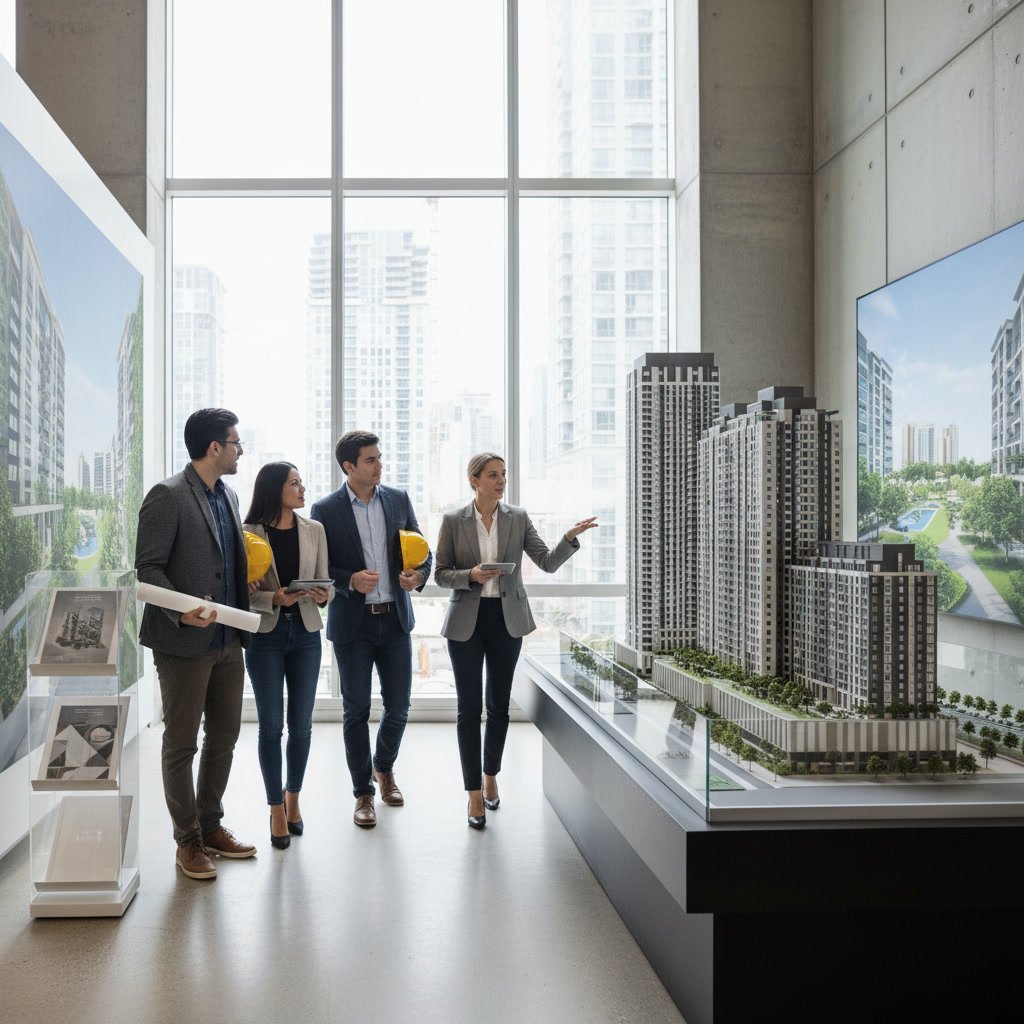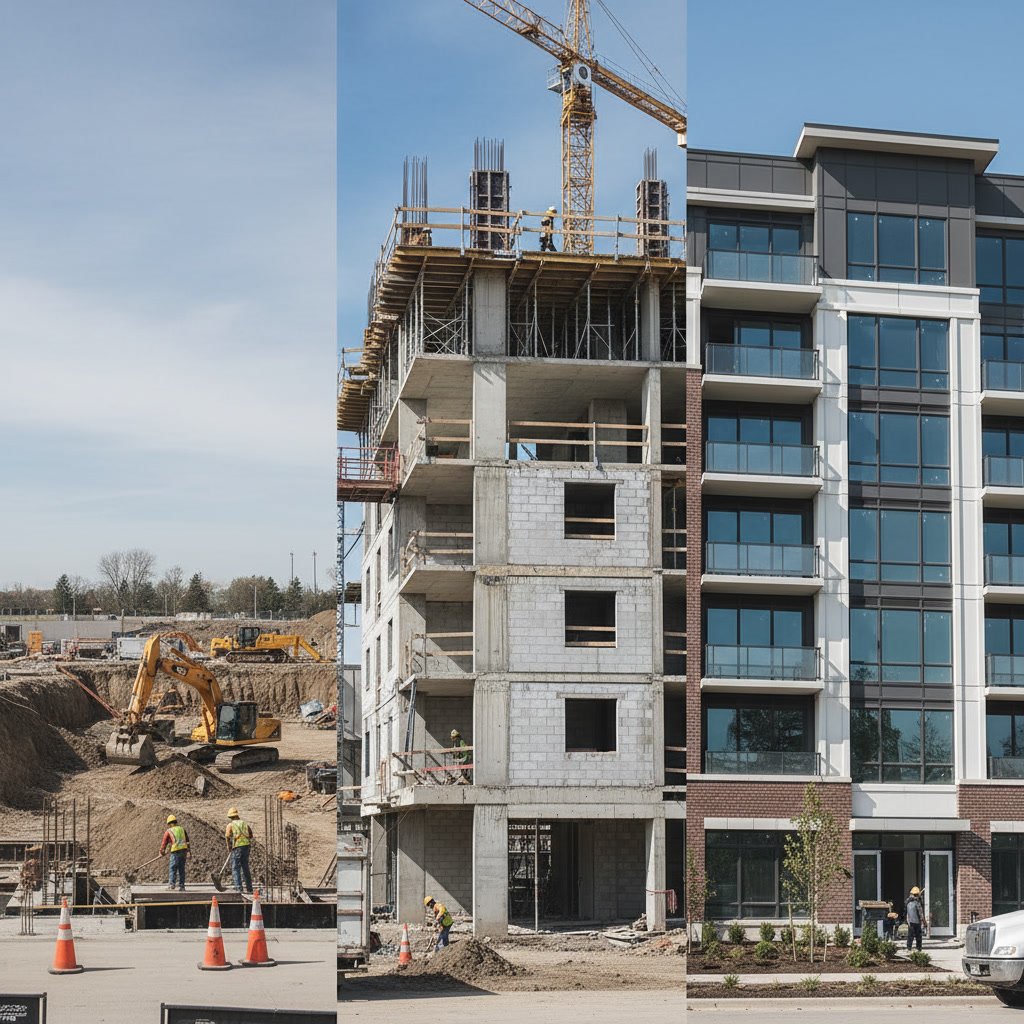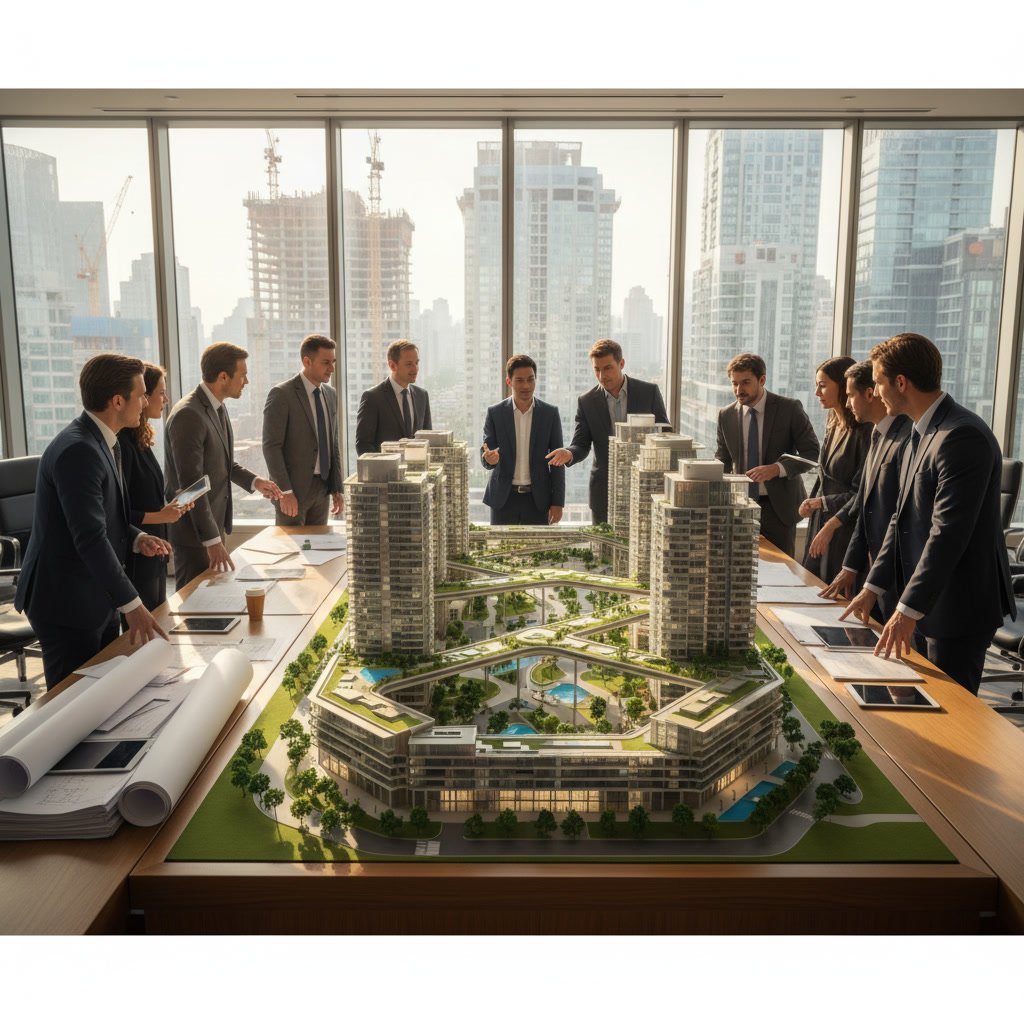


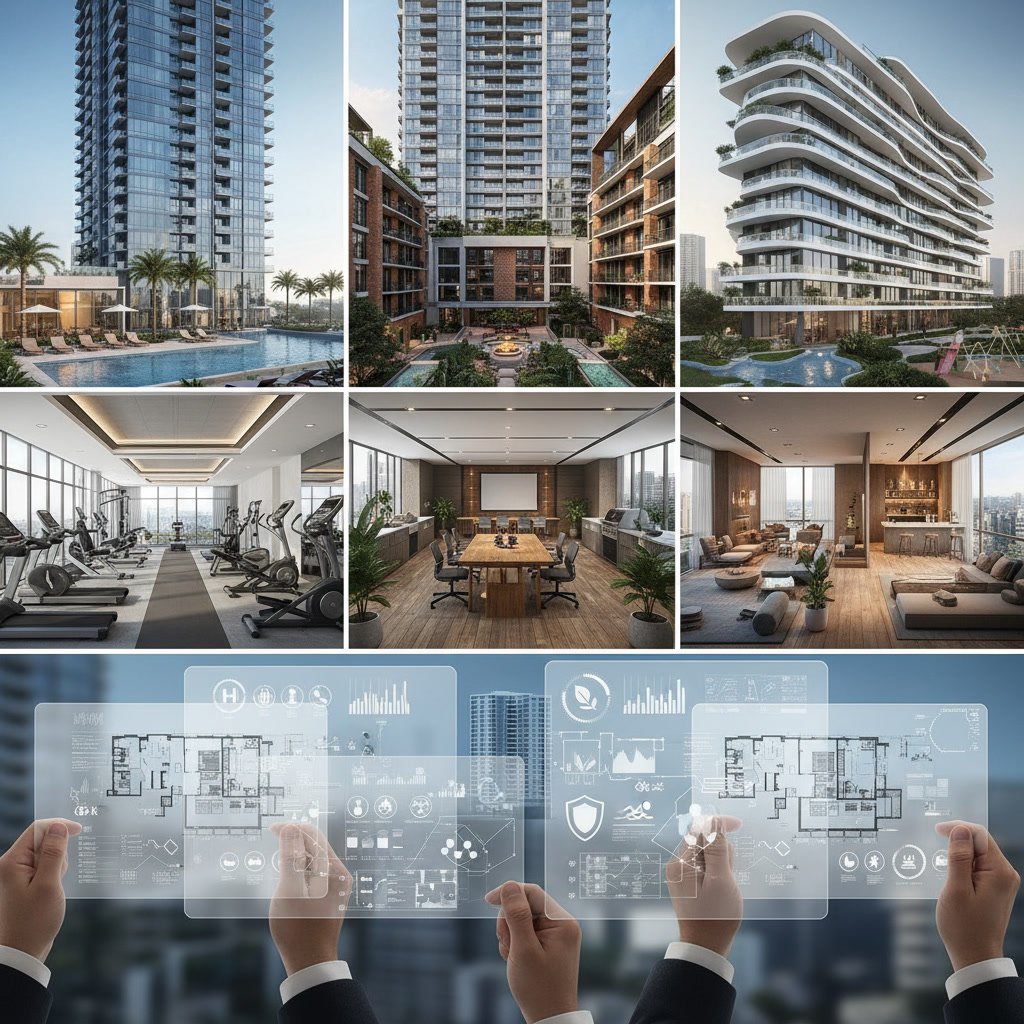
When you compare condo amenities across different new developments, the key is creating a standardized scoring system that weighs both your lifestyle priorities and the actual cost per square foot those features add to your purchase price. Most buyers focus only on the list of amenities without calculating which features they will actually use or how much they are paying for each one through association fees and purchase premiums.
Why Amenity Comparison Matters More Than Ever
New condo developments across South Florida now compete by stacking increasingly elaborate amenity packages. What used to be a simple gym and pool has evolved into resort-style complexes with coworking lounges, pet spas, virtual golf simulators, and rooftop gardens. While these features look impressive in renderings, they directly impact your monthly carrying costs and resale value.
Every amenity costs money to build and maintain. Developers typically add 8 to 15 percent to unit prices in buildings with extensive amenity packages. Monthly association fees in amenity-rich buildings can run $200 to $400 higher than comparable buildings with basic facilities. Understanding this trade-off before you commit to a purchase helps you avoid buyer’s remorse and financial strain.
Start With Your Actual Lifestyle Needs
Before looking at any development’s amenity list, write down how you actually spend your time. Do you work from home three days a week and need reliable coworking space? Do you entertain clients or host family gatherings that require private dining rooms? Are you training for triathlons and need a serious fitness center, or do you prefer outdoor activities?
Be brutally honest about which features you will use at least twice a month. That golf simulator might sound exciting, but if you only play once a year, you are paying for something that adds little value to your daily life. The most common mistake buyers make is choosing amenities that sound impressive rather than ones they will genuinely use.
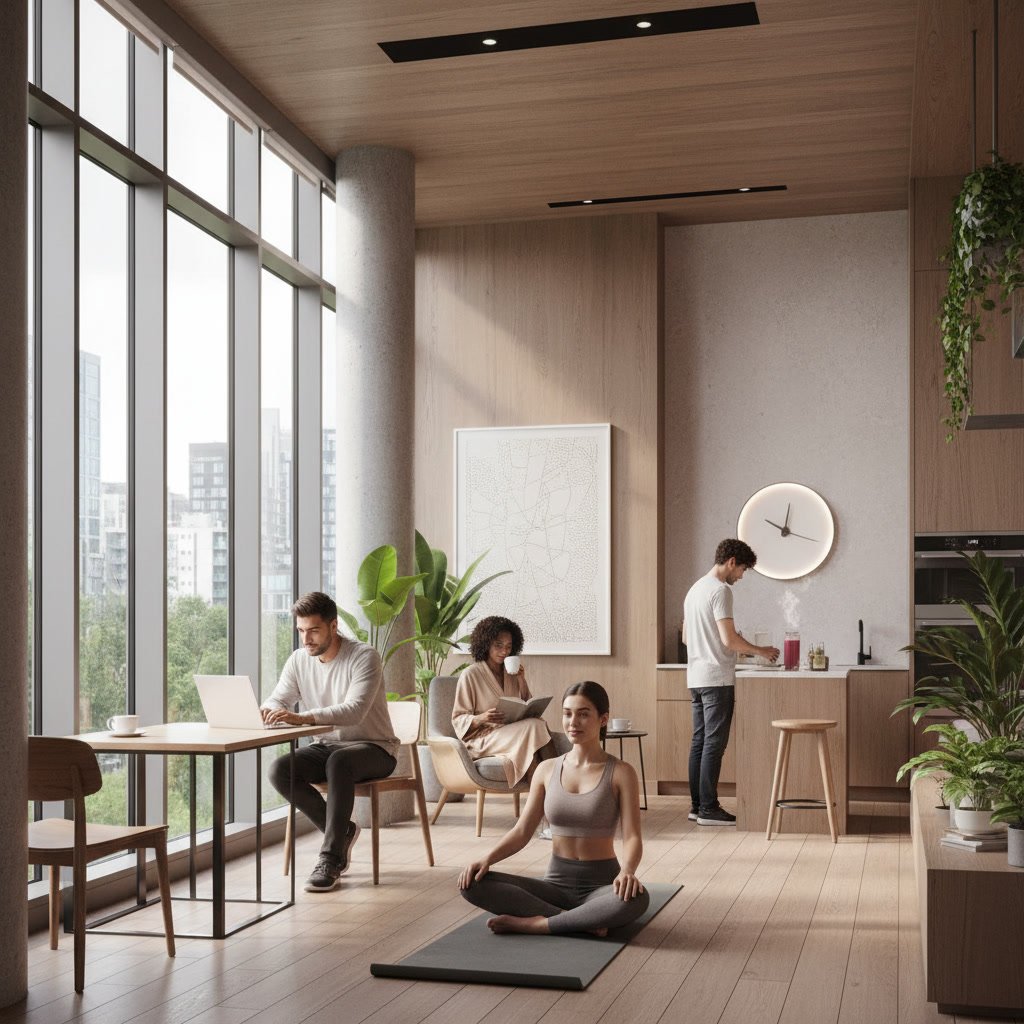
Create a Side-by-Side Comparison Spreadsheet
List every development you are considering across the top of a spreadsheet. Down the left side, create categories for each amenity type: fitness facilities, outdoor spaces, social areas, business facilities, parking, security features, and services. Under each category, list specific features like square footage of gym, number of guest suites, or hours of concierge service.
This format lets you see at a glance which buildings offer what you need. It also reveals patterns, such as developments that invest heavily in social spaces but skimp on parking, or buildings with impressive lobbies but undersized fitness centers. The visual comparison makes trade-offs obvious in ways that touring properties alone never will.
Calculate the True Cost Per Amenity
Request the projected association fee breakdown for each development. Developers must provide estimates during the sales process. Look for the line items that fund amenity maintenance, staffing, and utilities. Divide this annual amenity cost by 12 to get your monthly expense, then divide by the number of amenities to estimate cost per feature.
This rough calculation helps you understand whether you are paying $50 a month for a pool you will use daily or $50 a month for a wine cellar you will never touch. When evaluating properties in areas like Miami Beach or Brickell, where amenity packages vary widely, this analysis becomes even more critical.
Evaluate Space Allocation and Quality in Brickell Developments
Not all amenities are created equal. A 1,200-square-foot fitness center with commercial-grade equipment serves residents far better than a 400-square-foot room with three treadmills and a set of dumbbells. When touring properties, measure or estimate the actual square footage of key amenities and compare it against the building’s total unit count.
A good rule of thumb is 50 to 75 square feet of fitness space per residential unit for buildings under 200 units. Pool decks should offer at least 15 square feet per unit to avoid overcrowding on weekends. If the math does not work out, that amenity will likely feel cramped and disappointing after you move in.
Also assess the quality of finishes and equipment. Some developers cut corners on amenity build-out to keep costs down, resulting in spaces that look dated within five years. Ask about equipment brands, finish materials, and replacement schedules. Buildings that use commercial-grade equipment and durable materials require less frequent capital assessments down the road.
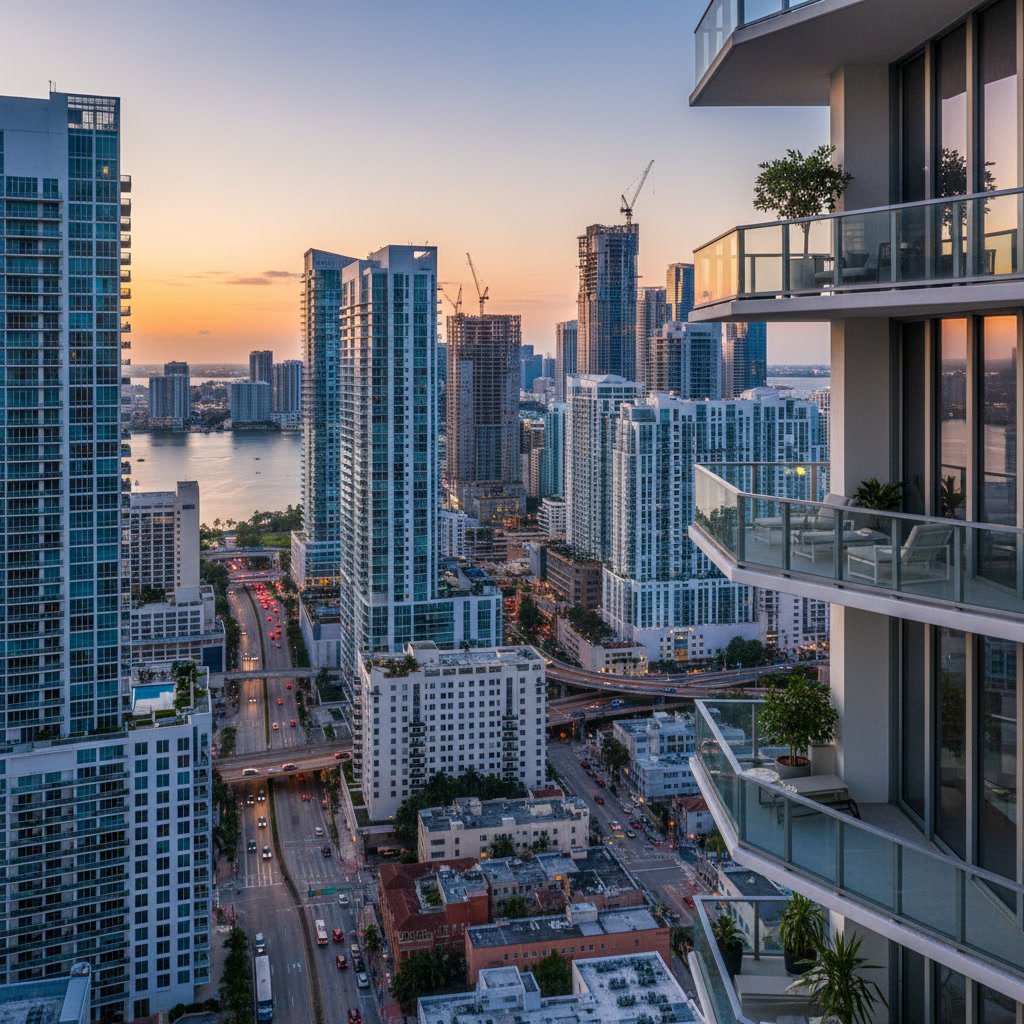
Consider Amenity Hours and Access Restrictions
An impressive amenity list means little if you cannot access features when you need them. Some buildings restrict pool hours, require advance reservations for private dining rooms, or limit guest suite bookings to four nights per month. Others charge additional fees for services included in competing buildings.
Read the building rules and association bylaws carefully. Ask specific questions about booking procedures, guest policies, and any usage fees. If you travel frequently for work and plan to use guest suites for visiting family, a building that limits bookings or charges $150 per night will cost you significantly more than advertised association fees suggest.
Assess Long-Term Maintenance and Replacement Costs
Fancy amenities require expensive upkeep. Saltwater pools need specialized maintenance. Elaborate landscaping demands constant care. High-tech fitness equipment breaks down and requires replacement every seven to ten years. Smart building systems need regular software updates and hardware refreshes.
Ask developers about the reserve fund allocation for amenity maintenance and replacement. Well-managed buildings set aside 10 to 15 percent of monthly association fees for future capital expenses. Underfunded reserves lead to special assessments that can run thousands of dollars per unit when major systems need replacement. This issue appears frequently in discussions about property management costs in Miami Beach, where older buildings face expensive renovations.
Compare Amenities That Actually Increase Resale Value
Some amenities boost resale value more than others. Covered parking, modern fitness centers, and well-designed coworking spaces consistently attract buyers and renters. Pet-friendly features like dog parks and washing stations appeal to the growing number of pet owners in urban markets. High-speed internet infrastructure and electric vehicle charging stations increasingly influence buyer decisions.
Conversely, highly specialized amenities like bowling alleys, elaborate game rooms, or themed entertainment spaces tend to age poorly and offer limited appeal to future buyers. They also cost more to maintain and update. Focus on timeless features that serve fundamental needs rather than trendy additions that may feel dated in five years.
If you are considering buying a property as an investment, choosing buildings with universally desirable amenities makes renting and eventual resale significantly easier.
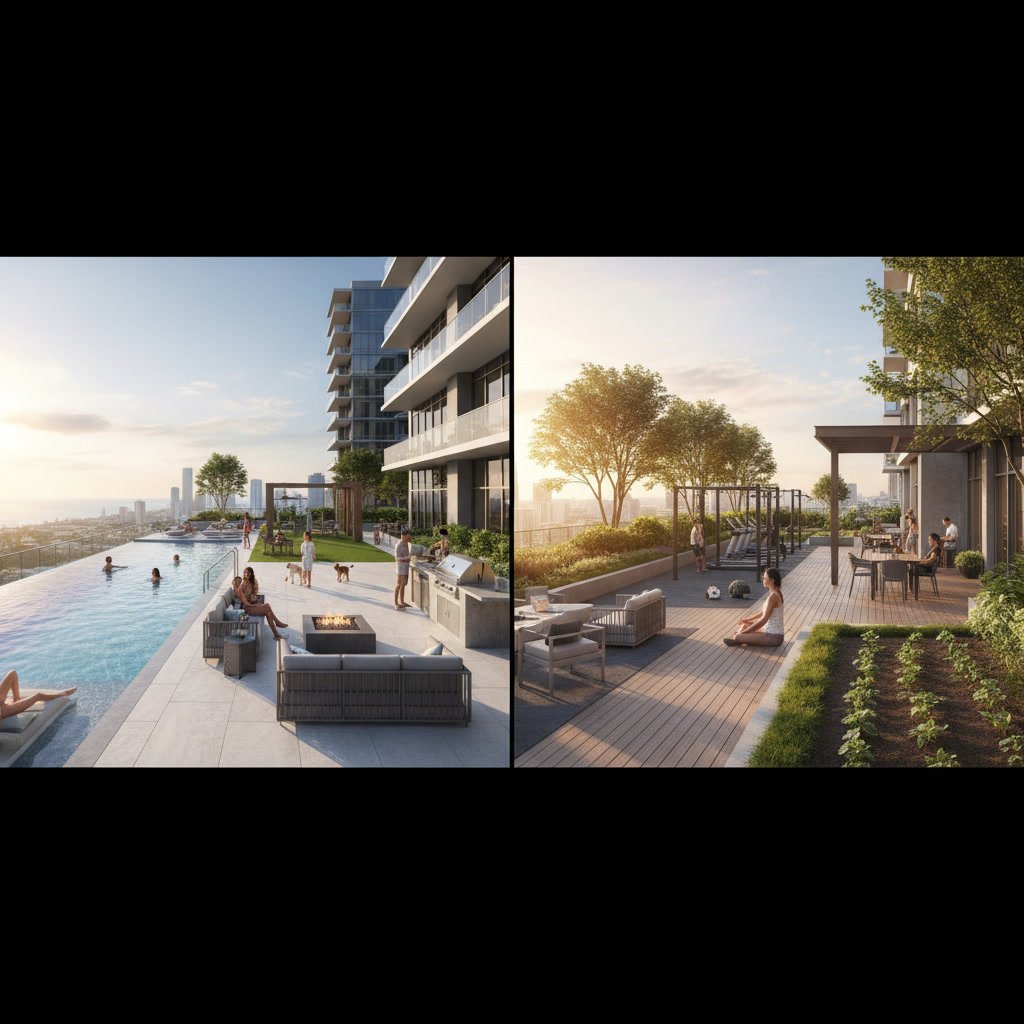
Review Developer Track Records on Amenity Delivery
Renderings and promises mean nothing if the developer has a history of value engineering amenities during construction. Some builders routinely downgrade finishes, reduce square footage, or eliminate promised features when budgets tighten. Others consistently deliver what they promise.
Research the developer’s previous projects. Visit completed buildings and talk to residents about whether delivered amenities matched pre-construction marketing materials. Look for patterns of cuts or upgrades. Established developers with strong track records rarely risk their reputation by significantly downgrading amenities. Resources like our guide on verifying a condo developer’s track record provide detailed steps for this research.
Factor in Location-Specific Amenity Needs
The value of specific amenities shifts depending on the surrounding neighborhood. Beachfront buildings in areas like Sunny Isles benefit less from elaborate pool complexes when residents have direct beach access. Urban high-rises in dense areas need more robust security and parking facilities than low-rise buildings in quieter suburbs.
Buildings in walkable neighborhoods with abundant dining and entertainment options can get away with smaller social amenities because residents spend more time exploring the area. Conversely, developments in car-dependent locations need stronger on-site amenities to compensate for limited nearby attractions.
Consider whether the building’s amenities complement or duplicate what the neighborhood already offers. Paying premium association fees for features you can easily access nearby makes little financial sense.
Making Your Final Decision
After completing your comparison, rank each development based on how well its amenity package matches your lifestyle needs, cost parameters, and long-term value considerations. The best choice is rarely the building with the longest amenity list. Instead, it is the development that offers the right mix of features you will actually use at a cost that fits your budget without excess.
Weight your scoring toward amenities you identified as must-haves during your initial lifestyle assessment. Eliminate buildings that charge significantly more for features you will not use regularly. The development that scores highest on your personalized criteria is likely your best choice, regardless of how it compares to others on paper.
Remember that you can always join external gyms, rent party spaces, or book hotels for guests. You cannot, however, reduce your monthly association fees or recover the premium you paid for amenities that do not serve your needs.
Finding the Right Development for Your Needs
Comparing amenity packages requires careful analysis of costs, quality, and personal priorities. The developments that deliver the best value are those that align closely with how you actually live rather than how marketing materials suggest you should live. By creating systematic comparisons and honestly evaluating your needs, you can identify buildings that will serve you well for years to come.
Florida Real State Specialist helps buyers navigate South Florida’s competitive new development market with detailed amenity analysis and cost breakdowns. Our team provides side-by-side comparisons of buildings across Miami Beach, Brickell, and surrounding areas, ensuring you understand exactly what you are paying for before you commit. Contact us at +16464048166 to schedule a consultation and review amenity packages that match your lifestyle and budget.