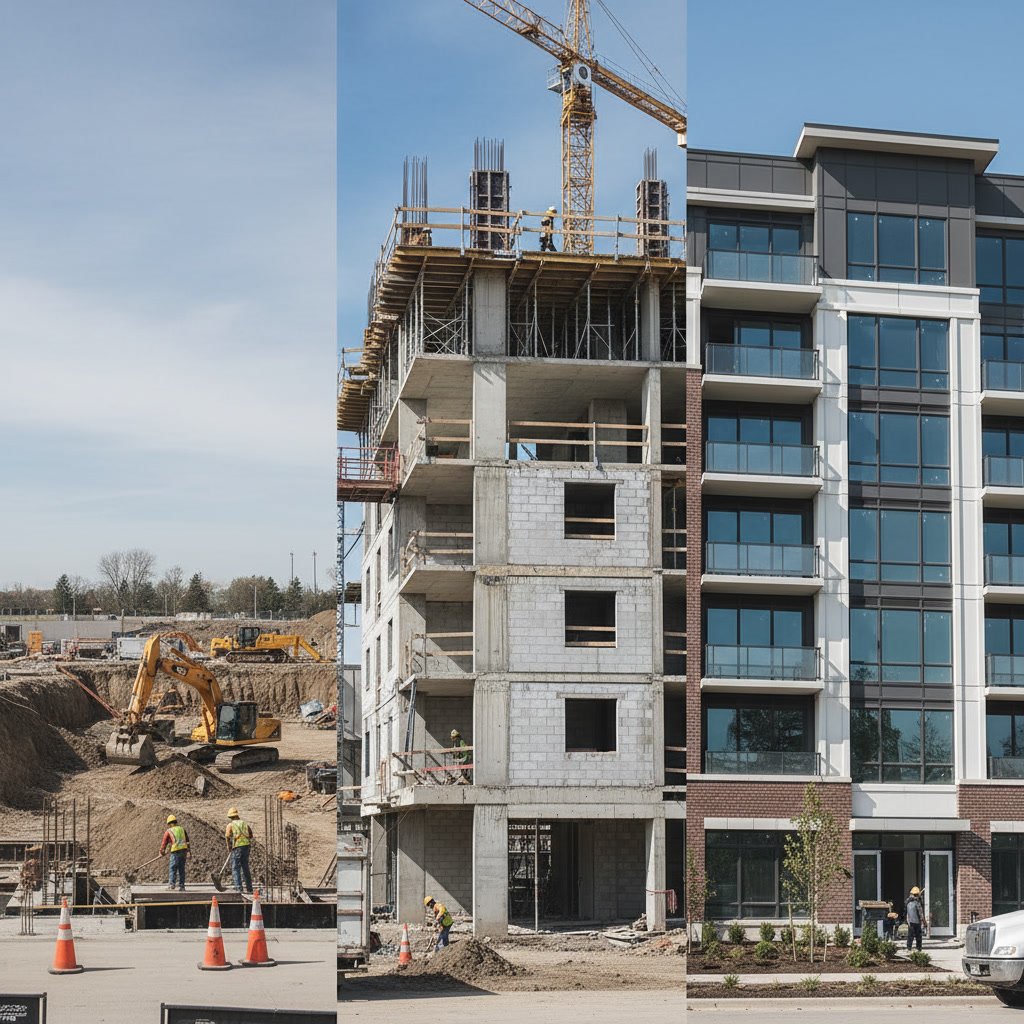



The pre-construction buying process involves purchasing a condo unit before construction is complete, often when only plans and renderings exist. You reserve your unit, sign a purchase agreement, make phased deposits totaling 10-50% of the price, wait through the construction period (typically 18-36 months), and close once the building receives its certificate of occupancy. This process differs significantly from buying an existing property because you’re committing to a future asset based on developer promises, architectural plans, and market projections.
Why Buyers Choose Pre-Construction Condos in South Florida
Pre-construction purchases offer several advantages that attract both investors and end-users. Buyers typically secure units at lower prices than completed inventory, locking in today’s rates for a property they’ll receive years later. This price advantage can translate to immediate equity if the market appreciates during construction.
Customization options represent another major benefit. Developers often allow buyers to select finishes, flooring, cabinetry, and sometimes even modify floor plans within reason. These choices let you personalize your space before a single wall goes up.
Payment flexibility also appeals to many buyers. Instead of securing full financing immediately, you make scheduled deposits over months or years. This structure gives you time to arrange permanent financing or liquidate assets without rushed decisions.
Understanding Developer Reputation and Project Viability
Not all pre-construction opportunities deliver as promised. Before committing any funds, research the developer’s track record thoroughly. Review their completed projects, delivery timelines, and any litigation history. Developers with multiple successful buildings in Miami and surrounding areas typically present lower risk than first-time builders.
Examine the project’s financial backing. Strong projects have secured construction financing from reputable lenders, indicating professional underwriting and institutional confidence. Ask the sales team about financing status and review offering documents carefully for any contingencies that could delay or cancel the project.
Location fundamentals matter more than renderings. A mediocre building in an excellent location will outperform a stunning tower in a declining area. Evaluate nearby developments, infrastructure improvements, zoning changes, and neighborhood trajectory before falling in love with floor plans.

Step One: Reservation and Initial Deposit in Brickell
The process begins with a reservation, where you select your specific unit and submit a reservation deposit, typically $5,000 to $25,000 depending on the project and unit price. This deposit is usually refundable for a limited period (often 10-15 days) while you review the purchase agreement and conduct due diligence.
During this reservation period, the developer’s legal team prepares your purchase and sale agreement. Use these days wisely. Hire a real estate attorney experienced in pre-construction contracts to review all documents before you sign. Standard form contracts heavily favor developers, but experienced attorneys can sometimes negotiate more balanced terms.
Your reservation holds the unit off the market but doesn’t obligate the developer to sell to you until contracts are fully executed. If you fail to execute the purchase agreement within the specified timeframe, the developer can release your unit back to inventory and potentially retain part of your deposit according to the reservation terms.
Step Two: Executing the Purchase Agreement
The purchase and sale agreement is the binding contract that governs your entire transaction. This document specifies the purchase price, unit number, square footage, deposit schedule, estimated completion date, and hundreds of other terms. Florida law requires developers to provide detailed disclosures about the project, their financial condition, and buyer rights.
Key provisions to scrutinize include the deposit schedule, completion date language, finish specifications, and remedies if the developer fails to deliver. Most agreements include broad disclaimers allowing the developer to make changes to building design, amenities, and unit specifications. Understanding these limitations prevents disappointment later.
The agreement also outlines your financing contingency period. If applicable, you typically have 15-30 days to secure a mortgage commitment letter. However, many pre-construction deals are structured as all-cash transactions or require buyers to waive financing contingencies, accepting the risk they cannot secure a loan at closing.
Step Three: Phased Deposit Schedule
Unlike traditional purchases with a single deposit, pre-construction deals require multiple deposits over time. A typical schedule might include 10% at contract signing, another 10% at groundbreaking, 10% when the structure reaches 50% completion, and a final 10% at certificate of occupancy, leaving 60% due at closing.
These deposits are usually held in escrow accounts, but protections vary by project structure. In Florida, condominium deposits must be held in escrow or backed by a surety bond, providing some protection if the project fails. However, rules differ for single-family developments or projects structured differently, so verify how your funds are protected.
Track deposit deadlines carefully. Missing a payment typically constitutes a default, allowing the developer to cancel your contract and retain all previous deposits. Set calendar reminders well in advance of each due date to avoid losing your investment over an administrative oversight.

Step Four: Design Selection and Customization
Several months after contract execution, the developer schedules your design appointment at their selection center. This is when you choose finishes, fixtures, flooring, countertops, cabinetry, and other customizable elements. Bring samples from your furniture and decor to coordinate colors effectively.
Upgrades beyond the standard package cost extra, sometimes significantly. The developer will present upgraded options with associated prices. Review these carefully, as builder upgrade pricing often exceeds what you’d pay to customize after closing. However, some structural changes like added electrical outlets or modified layouts can only be done during construction, making them worth the premium.
Get everything in writing. The selections you make should be documented in an addendum to your purchase agreement, specifying exactly what finishes you’ve chosen. This documentation prevents disputes at final walkthrough if installed items don’t match your expectations.
Step Five: Construction Period and Project Updates
After design selection, you enter the waiting period while construction proceeds. Timelines vary dramatically, from 18 months for smaller projects to 36 months or more for high-rise towers. Delays are common due to weather, permitting issues, labor shortages, or supply chain disruptions.
Most developers provide periodic construction updates through emails, website portals, or scheduled site visits. Attend these opportunities when available. Seeing physical progress reassures you that the project is advancing and lets you visualize your future home in context.
During construction, stay informed about market conditions in the area. If comparable properties are selling for significantly less than your contract price, you face a potential loss at closing. Conversely, if values have increased substantially, you’ve built instant equity. This knowledge helps you plan your next steps and understand your position.
Step Six: Certificate of Occupancy and Final Walkthrough
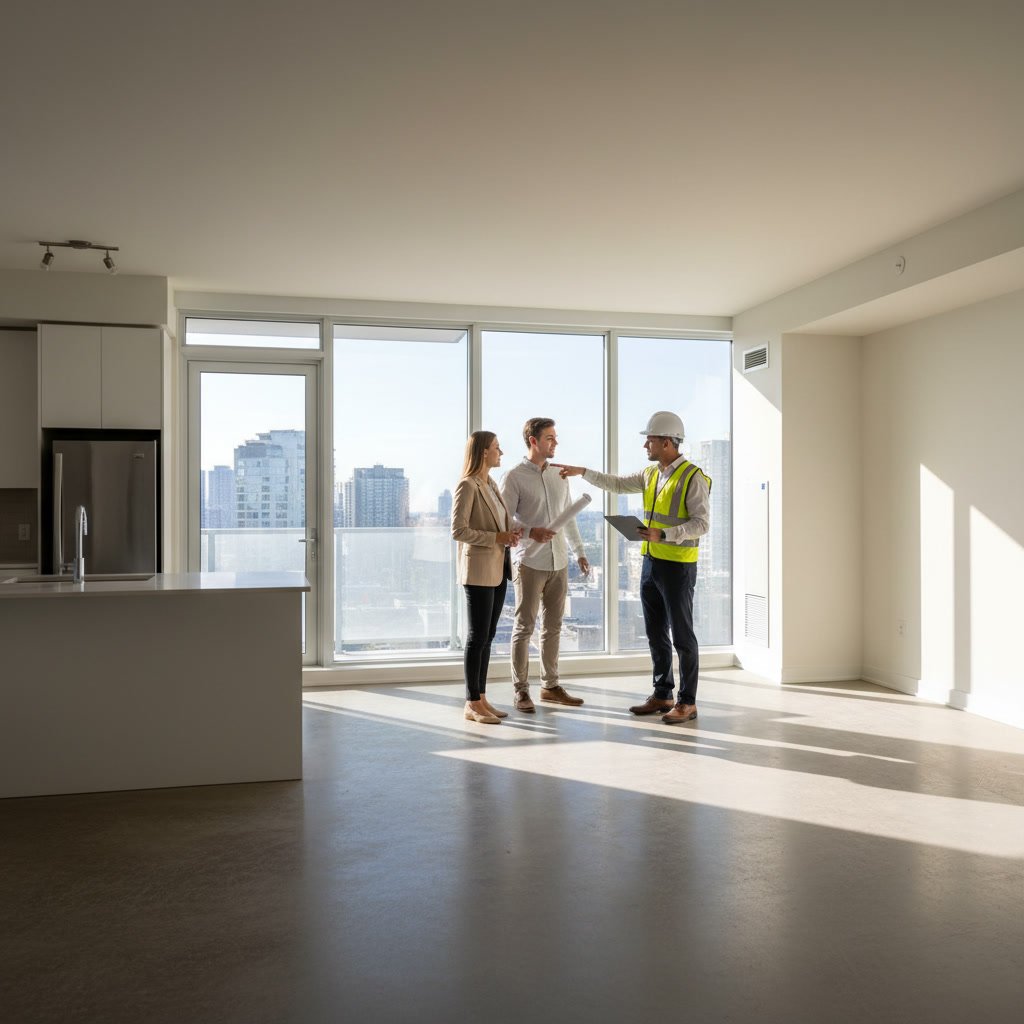
The developer must obtain a certificate of occupancy from local authorities before closing. This certification confirms the building meets all code requirements and is safe for habitation. Once issued, the developer schedules final walkthroughs for all buyers.
Your walkthrough is your opportunity to inspect the unit thoroughly before closing. Bring your purchase agreement, design selections addendum, and a detailed checklist. Examine every surface, test all appliances and fixtures, check window and door operation, and document any defects or discrepancies from your contract specifications.
Create a punch list of items requiring correction. Minor issues like paint touch-ups or loose hardware are normal and should be corrected before or shortly after closing. Major defects like wrong finishes, non-functioning systems, or significant damage require immediate attention and may justify delaying your closing until resolved.
Step Seven: Securing Permanent Financing
If you’re financing your purchase, begin the formal mortgage application process 60-90 days before the anticipated closing date. Lenders require current financial documentation, so the pre-qualification from years earlier when you signed the contract is no longer valid.
Pre-construction financing can be more complex than traditional purchases. Lenders scrutinize the building’s financial health, pre-sale percentage, and developer reputation. Buildings with low pre-sale percentages or weak reserves may not qualify for financing from certain lenders, potentially limiting your options.
Order your appraisal early. The property must appraise at or above your contract price for the loan to fund. If the appraisal comes in low, you’ll need to cover the difference in cash, renegotiate with the developer (rarely successful), or potentially default on your contract. This risk is why market research during the construction period is critical.
Step Eight: Closing and Taking Possession
Closing on a pre-construction condo follows similar procedures to traditional purchases but with some unique elements. You’ll receive a settlement statement several days before closing showing all costs, credits, and the amount you need to bring to closing. This amount includes your remaining down payment (beyond deposits already made), closing costs, prepaid taxes and insurance, and any upgrade charges.
Florida closing costs for buyers typically include title insurance, recording fees, survey costs, inspection fees, and lender charges if financing. Budget approximately 2-4% of the purchase price for these expenses. Some developers offer closing cost credits or incentives, particularly for cash buyers or early purchasers.
At closing, you’ll sign the deed, mortgage documents (if applicable), and numerous other forms. Once recorded, you receive the keys and take possession of your new condo. The developer typically provides warranties covering construction defects for one year, with longer warranties on structural elements and major systems.
Comparing Pre-Construction to Resale Purchases
Pre-construction and resale purchases serve different buyer needs. Pre-construction offers lower entry prices, customization, and payment flexibility but requires patience, carries completion risk, and involves uncertainty about the final product. You’re buying a promise, not a tangible asset you can inspect thoroughly.
Resale purchases provide immediate possession, known conditions, and established neighborhoods. You can inspect everything before committing, understand exactly what you’re buying, and move in within 30-60 days. However, you pay current market prices, accept existing finishes, and need full financing arranged quickly.
Investment considerations differ significantly. Pre-construction can generate substantial appreciation if you time the market correctly, but you cannot generate rental income during construction. Resale properties produce immediate cash flow but may require renovation to maximize returns. Your strategy should align with your timeline and risk tolerance.
Making the Right Decision for Your Situation
Pre-construction purchases work best for buyers with flexible timelines who can absorb potential delays without hardship. If you need housing immediately or cannot wait potentially three years, resale inventory suits you better. Consider your life circumstances honestly, as contracts are difficult to exit without losing deposits.
Financial stability throughout the construction period is essential. Ensure you can meet all deposit deadlines and still qualify for financing at closing despite potential income or credit changes. Job loss, divorce, or other financial disruptions during construction can force defaults and significant losses.
Working with experienced professionals protects your interests throughout this complex process. Real estate attorneys, buyer agents familiar with pre-construction deals, and knowledgeable mortgage brokers provide expertise that prevents costly mistakes. Their fees are modest compared to the financial risks of pre-construction investing.
Florida Real State Specialist has guided numerous buyers through pre-construction purchases across South Florida’s most desirable markets. Our team understands the nuances of developer contracts, market timing, and project evaluation that separate successful purchases from regrettable commitments. Whether you’re considering opportunities in Miami Beach, Fort Lauderdale, or other coastal communities, professional guidance ensures you make informed decisions aligned with your goals.
If you’re ready to explore pre-construction opportunities or want expert analysis of specific projects, reach out to our team at +16464048166. We’ll help you evaluate projects, negotiate terms, and navigate every phase from reservation through closing, ensuring your pre-construction experience builds wealth rather than regret.