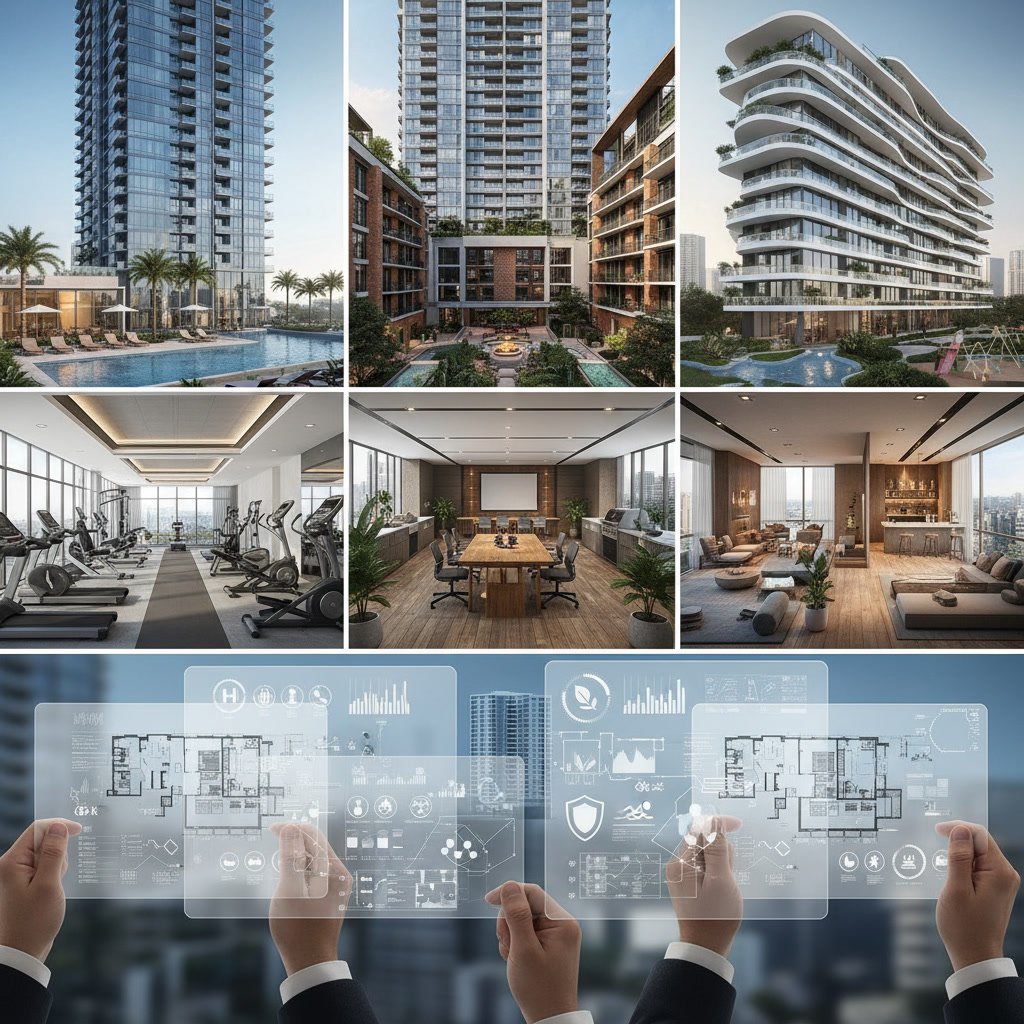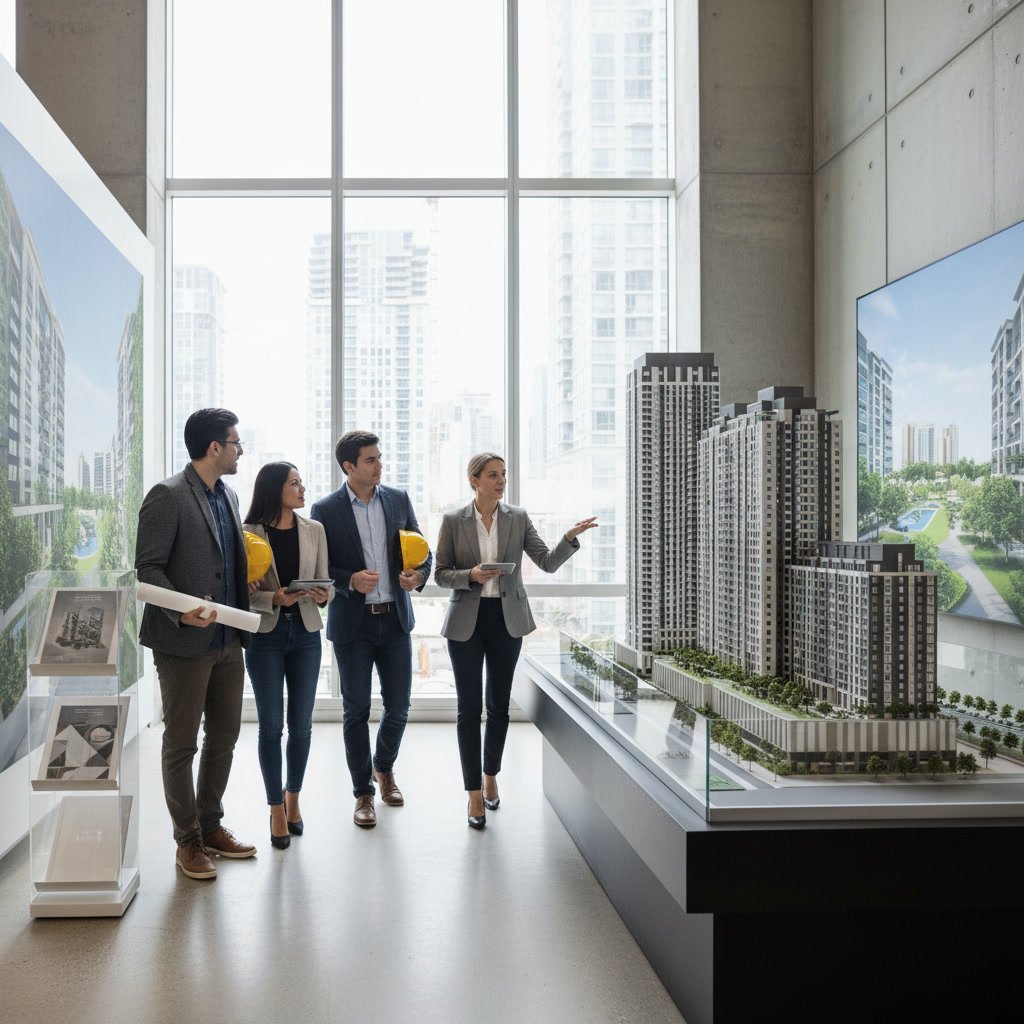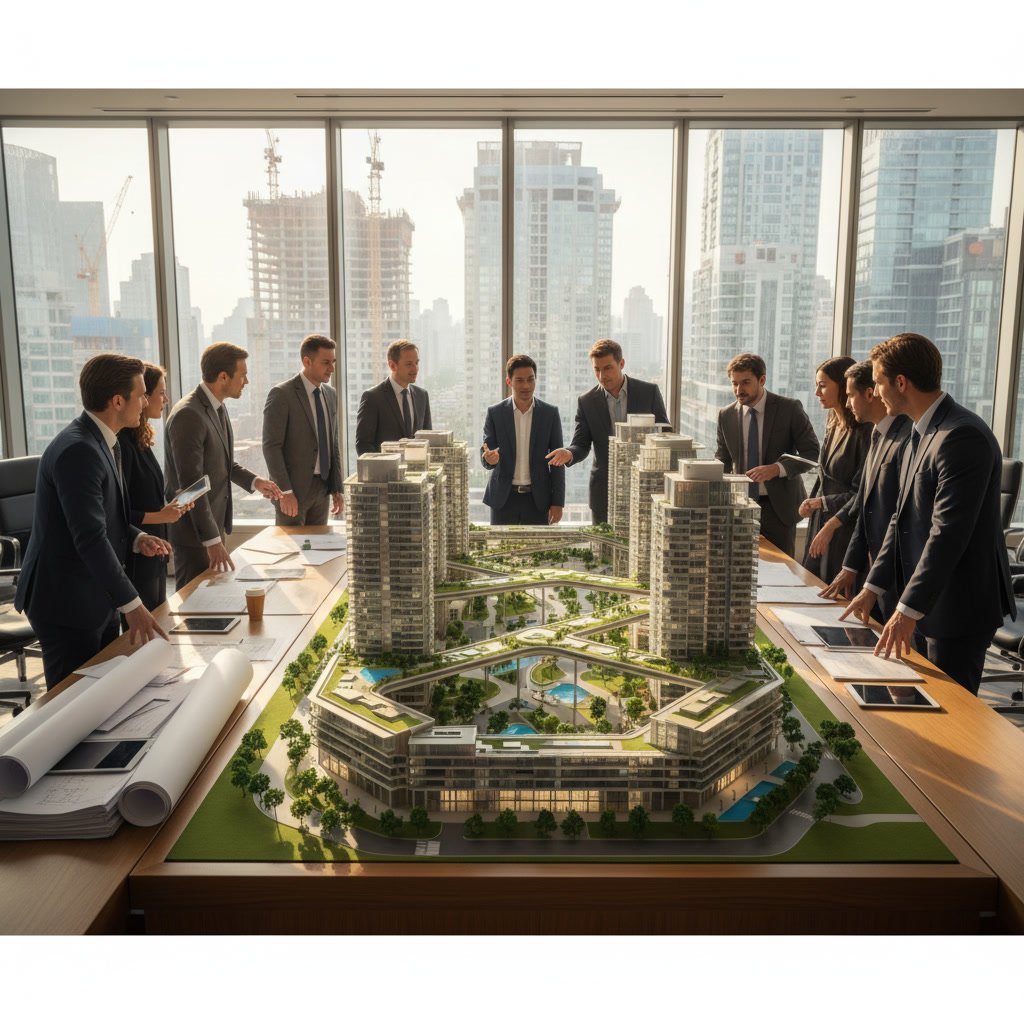



When you’re considering a unit in a new condo development, the amenity package often tips the scales between one project and another. To properly evaluate condo amenities, examine developer track records, review architectural plans in detail, verify projected completion dates, and understand how amenity fees are structured in your maintenance costs. Smart buyers assess not just what’s promised but also whether the developer has a history of delivering on those promises.
The difference between a thriving community and a disappointing investment often comes down to how well amenities were planned, funded, and maintained from day one. New developments in South Florida markets present unique opportunities but also distinct challenges that require informed decision-making.
Why Amenities Matter More in New Developments Than Resale Units
In an established building, you can walk through the gym, sit by the pool, and test the strength of the Wi-Fi in the coworking lounge. With new construction, you’re buying based on renderings and promises. The amenity quality directly affects your daily living experience, your property’s resale value, and your monthly carrying costs.
Developers know that premium amenities justify premium pricing. A rooftop deck with ocean views or a resort-style pool can add tens of thousands to a unit’s value. But if those features are poorly executed or never completed as shown, your investment suffers accordingly.
Research the Developer’s Track Record on Past Projects
Before you trust any amenity promise, investigate what the developer delivered in previous buildings. Visit their completed projects if possible. Walk their amenity floors. Talk to residents or board members about whether the finished product matched the sales materials.
Check online reviews and local real estate forums for complaints about cut corners, delayed openings, or features that were downgraded during construction. A developer with a pattern of over-promising gives you a clear warning signal. Conversely, a builder who consistently delivers high-quality spaces as advertised deserves more confidence.
If you’re working with experienced professionals who specialize in helping buyers navigate new construction, they often have firsthand knowledge of which developers reliably execute their vision and which ones routinely disappoint.
Understanding Amenity Budgets and Reserve Funding
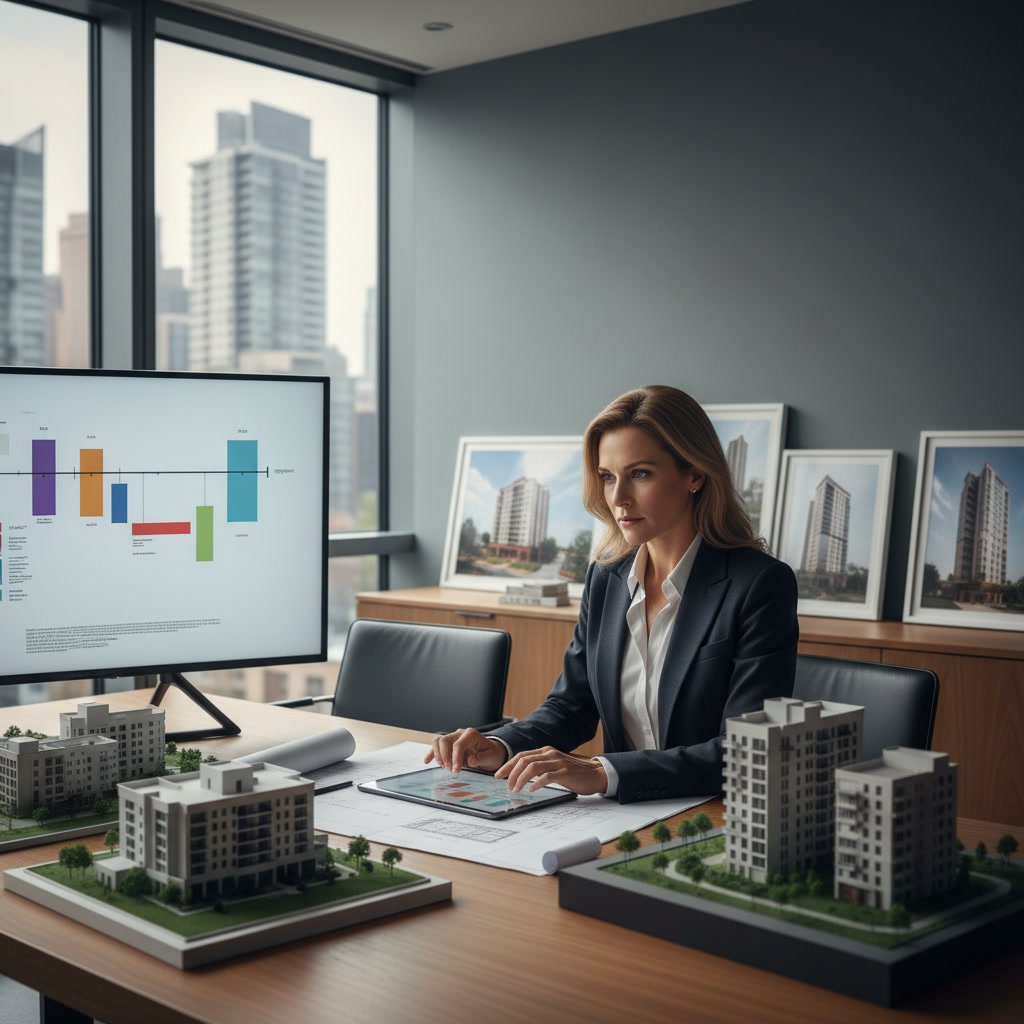
Every amenity costs money to build and more money to maintain. Ask for the projected operating budget and reserve study during your due diligence period. These documents show whether the developer has allocated realistic funds for ongoing upkeep and future repairs.
A common mistake is under-budgeting amenity maintenance to keep advertised monthly fees artificially low during the sales phase. Two years after move-in, the association faces a special assessment because the pool equipment fails or the fitness center needs costly repairs that weren’t adequately reserved for.
Compare the proposed monthly maintenance fee to similar buildings with comparable amenities. If the fee seems unusually low, it’s often a red flag that the budget is unsustainable. Buildings that start with proper reserve funding avoid surprise costs and maintain higher property values over time.
Verify Exact Specifications and Square Footage
Marketing materials often show spacious gyms and elegant lobbies, but the actual dimensions matter. Request the architectural plans and check the exact square footage allocated to each amenity space. A 1,200-square-foot gym sounds impressive until you realize it needs to serve 300 units.
Look for specific equipment lists and finish schedules in the offering documents. Generic descriptions like “state-of-the-art fitness center” mean nothing. You want to see brand names, quantities, and quality grades. Will the pool be heated year-round? What type of filtration system? Are the lounge chairs commercial-grade or residential quality that will deteriorate quickly?
Pay attention to ceiling heights, window placements, and ventilation systems in amenity drawings. A basement-level gym with eight-foot ceilings and no natural light will feel dramatically different than the sun-filled renderings suggest.
Timeline Realities for Amenity Completion in Brickell and Beyond
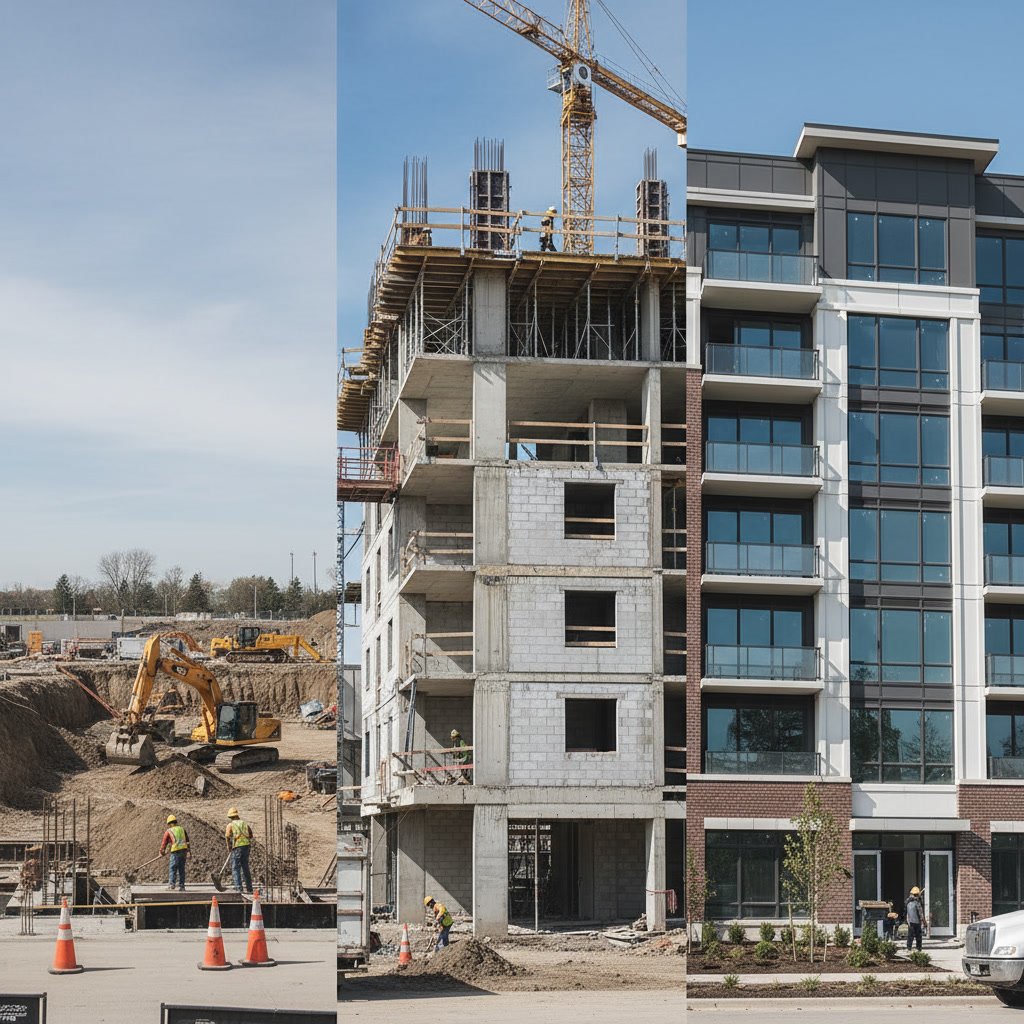
Developers typically phase amenity openings. The lobby and basic facilities might be ready at first closings, but the rooftop terrace, restaurant, or spa could take months longer. Get specific completion dates in writing, and understand what recourse you have if deadlines slip.
In markets like Brickell, where vertical construction timelines can stretch due to weather, permitting, or labor issues, amenity delays are common. Some buildings have opened with residents moving in while amenity floors remain unfinished construction zones.
Ask whether you’ll receive a reduction in maintenance fees for months when promised amenities remain unavailable. Some developers offer partial credits, others do not. Understanding this before you close protects you from paying full freight for services you can’t yet use.
Assessing Amenity Mix for Your Actual Lifestyle
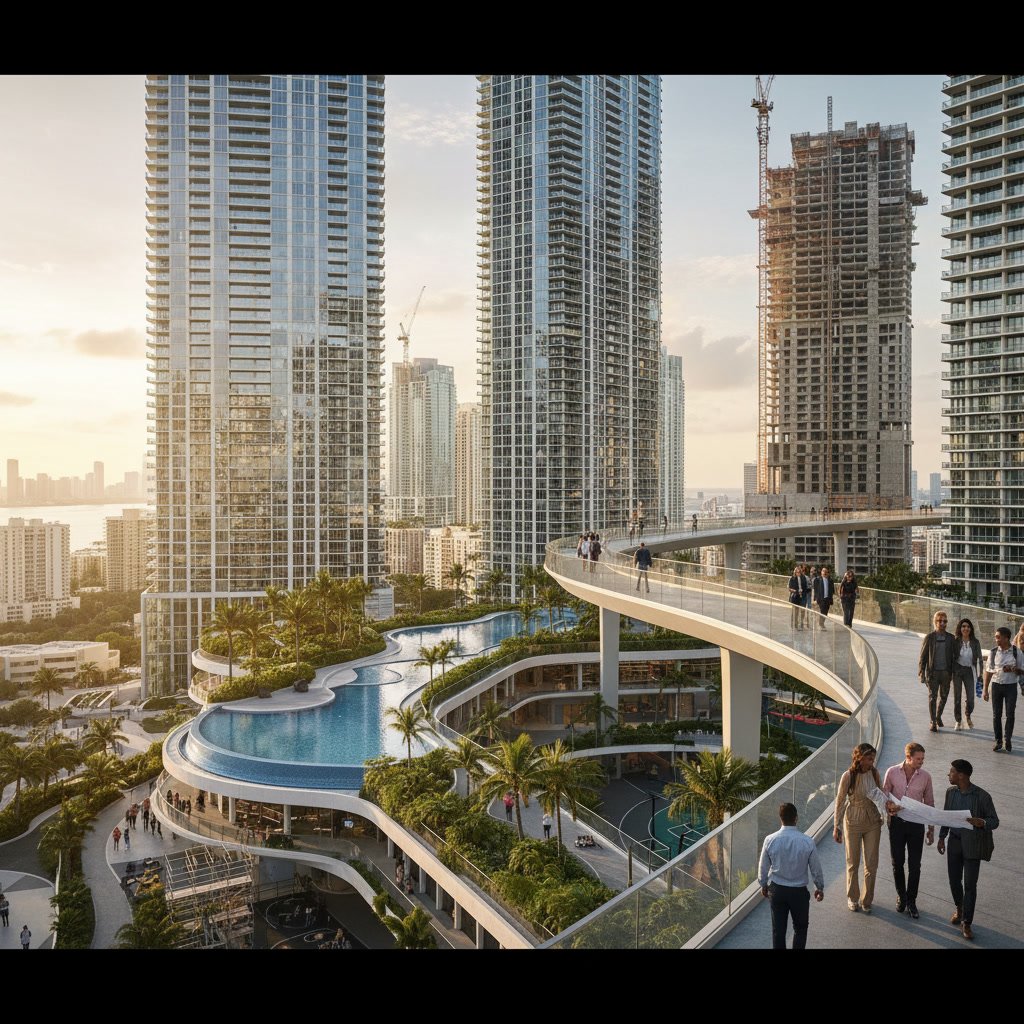
A long list of amenities looks impressive on paper but consider which ones you’ll genuinely use. If you already belong to a gym and never swim, the elaborate pool complex and fitness center primarily benefit your neighbors while your fees help fund them.
Conversely, if you work from home and rely on coworking spaces or private offices within the building, those become essential rather than optional. Pet owners should evaluate dog facilities critically, including size, surface type, and cleaning protocols. Families need to assess children’s play areas for safety features and age-appropriate equipment.
Think about how amenities will function during peak hours. A single elevator to the amenity deck serving a 40-story tower creates bottlenecks on weekends. A small pool becomes overcrowded when everyone wants to use it on summer Saturdays. Adequate capacity matters as much as attractive features.
Examining Maintenance and Operational Logistics
Who will staff the amenities? Will there be attendants at the pool, front desk personnel, or valet parking? Staffing levels directly impact both your experience and your monthly costs. Understand what’s included in the maintenance fee versus what requires additional tipping or service charges.
Review the rules and reservation systems for amenity spaces. Some buildings allow residents to book party rooms or guest suites months in advance, others operate first-come-first-served. If you plan to host events, knowing the policies and any associated fees helps you make an informed decision.
Ask about cleaning schedules and service standards. A beautiful amenity floor that’s only cleaned twice weekly will deteriorate quickly with heavy use. Professional property management makes the difference between amenities that remain pristine and those that become shabby within a few years.
Comparing Multiple Developments Side by Side
Create a spreadsheet comparing the developments you’re considering. List each amenity with its square footage, equipment quality, and associated costs. Include completion timelines and any developer guarantees.
This side-by-side analysis often reveals which projects offer genuine value versus which rely on flashy marketing. A building with fewer but higher-quality amenities and realistic maintenance fees may serve you better than one promising everything but delivering mediocrity.
Consider location-specific needs too. Developments in Miami Beach near the ocean may not need elaborate pool complexes, while inland properties should offer more compelling water features. Context matters when evaluating whether an amenity package makes sense.
Red Flags That Should Give You Pause
Certain warning signs indicate amenity promises that may not materialize as advertised. If the developer refuses to provide detailed specifications, budgets, or timelines, that lack of transparency should concern you. Legitimate builders have nothing to hide and understand that educated buyers ask thorough questions.
Watch for vague language in offering documents that gives the developer broad discretion to modify plans. Phrases like “amenities subject to change” or “substantially similar” create loopholes that allow significant downgrades without recourse.
Be cautious if the developer hasn’t secured all necessary permits for amenity spaces, particularly rooftop areas or waterfront features that require special approvals. Permit delays can push completion dates back by many months or even force design changes that diminish the final product.
If sales representatives can’t answer basic questions about equipment brands, maintenance costs, or completion schedules, it suggests either poor internal communication or intentional vagueness. Either scenario should make you think twice.
The Role of Association Documents in Amenity Governance
The declaration of condominium and bylaws establish rules for amenity use, modification, and funding. Read these documents carefully during your due diligence period. They specify whether future boards can eliminate amenities, convert spaces to other uses, or impose additional fees for premium features.
Some buildings restrict amenity access for rental units or charge higher fees for investor-owned properties. If you plan to rent your unit part-time or use it as an investment, these restrictions could limit your flexibility or reduce your property’s appeal to tenants.
Understanding the governance structure helps you anticipate how amenity decisions will be made after the developer turns control over to the resident-elected board. Buildings with clear processes and reasonable voting thresholds tend to maintain their amenities better than those with ambiguous or contentious governance models.
Making Your Final Decision With Confidence
After thorough research, trust your analysis over marketing hype. The best amenity package is one that fits your lifestyle, comes from a credible developer, and is supported by realistic budgets and timelines. If something feels too good to be true, it often is.
Visit similar completed projects by the same developer at different times of day. Morning, evening, and weekend visits reveal how amenities actually function under real-world conditions. Talk to residents candidly about their satisfaction levels and any surprises they encountered after moving in.
When evaluating pre-construction opportunities, understanding the entire buying process from contract to closing helps you identify the right moments to verify amenity progress and hold developers accountable to their commitments.
Florida Real State Specialist brings extensive experience helping buyers assess new developments throughout South Florida’s most sought-after neighborhoods. Our team knows which developers deliver on their promises and which amenity features genuinely add value versus those that simply inflate costs without meaningful benefit.
Whether you’re considering a high-rise in the urban core or a waterfront property in a quieter community, we provide the insight and guidance you need to make sound decisions. Reach out to our team at +16464048166 to discuss your specific needs and explore developments that align with your lifestyle and investment goals.