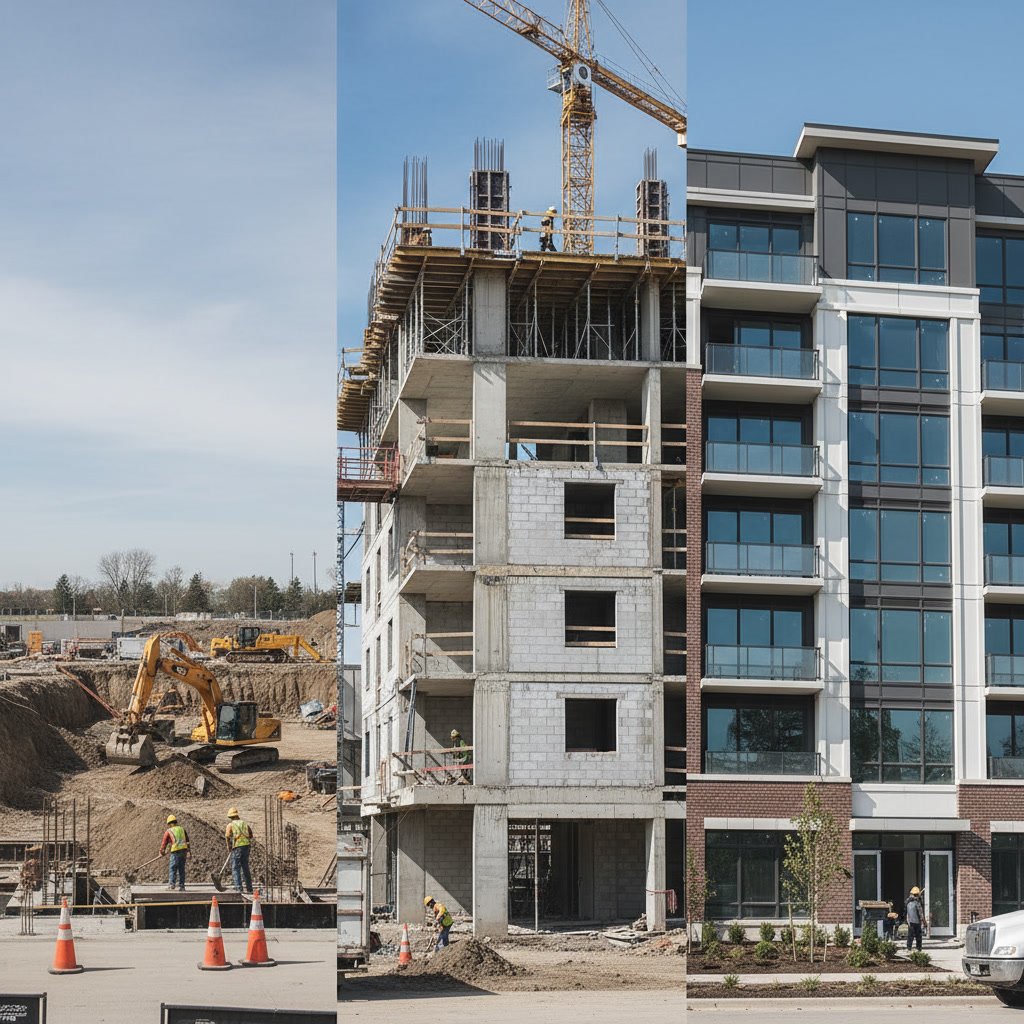



When you evaluate new condo developments before ground breaks, you need to examine the developer’s history, financial backing, architectural plans, and market demand indicators. Pre-construction purchases carry unique risks because you’re committing to a property that doesn’t exist yet, sometimes years before completion. Smart buyers focus on verifiable data points rather than marketing renderings to determine whether a project will deliver as promised.
The South Florida real estate market sees dozens of proposed towers each year, but not all of them succeed. Understanding what separates viable projects from speculative ventures protects your investment and helps you identify genuine opportunities in emerging neighborhoods.
Why Pre-Construction Evaluation Differs from Existing Property Assessment
Buying a completed condo lets you walk through the unit, test the amenities, and meet existing residents. Pre-construction purchases require you to judge a project based on documents, financial statements, and the developer’s reputation. You’re essentially betting that a team will execute their vision on time, on budget, and to the quality standards they promise.
The evaluation process must account for construction delays, budget overruns, design changes, and market shifts that can occur during the 24 to 48 months between your deposit and final closing. Areas like Brickell have seen both spectacular successes and projects that failed to materialize, making due diligence critical.
Developer Track Record and Reputation Analysis
Start by researching every completed project the developer has delivered in the past 10 years. Look beyond their website portfolio and search for actual buyer reviews, construction litigation history, and whether past projects were completed on schedule. A developer with one successful building is less proven than one with five or more delivered towers.
Check county records for any liens, mechanic’s liens, or legal disputes on previous projects. Visit completed buildings in person to assess construction quality, common area maintenance, and talk to residents if possible. Ask specific questions about whether the developer honored their promises regarding finishes, amenities, and delivery dates.

Financial Stability and Project Funding Structure
A credible developer should disclose their funding structure and financial backing. Projects funded entirely by buyer deposits carry higher risk than those with institutional financing from recognized banks. Ask for documentation showing construction financing commitments and verify that contingencies exist beyond just pre-sale deposits.
Most lenders require developers to reach a certain pre-sale threshold, typically 50 to 70 percent of units, before releasing construction funds. A project struggling to reach this minimum may never break ground. Request monthly sales updates and verify numbers independently rather than relying solely on the developer’s marketing team.
Architectural Plans and Design Feasibility in Brickell
Review architectural renderings with skepticism, as they often depict idealized versions that may not match the final product. Request floor plans with exact square footage, ceiling heights, and column placements. Compare the proposed unit layouts against similar buildings to identify unrealistic or inefficient designs.
Examine the amenity package critically. A 50-story tower promising an Olympic-size pool, full spa, multiple restaurants, and coworking spaces will have significantly higher HOA fees than a simpler building. Calculate whether the amenity costs justify the features based on your actual usage patterns.
Florida Real State Specialist has guided buyers through complex pre-construction evaluations across South Florida, helping clients distinguish between viable projects and overambitious proposals that carry excessive risk.
Location Assessment and Future Development Patterns
The neighborhood’s trajectory matters more for pre-construction than existing properties because you’re betting on conditions three years from now. Research upcoming infrastructure projects, zoning changes, and other approved developments nearby. An isolated luxury tower in an undeveloped area faces different appreciation prospects than one in an established district.
Drive the surrounding blocks at different times of day. Check walkability scores, proximity to transit, and whether promised neighborhood improvements like parks or retail centers have actual funding and timelines. Many projects market themselves on future amenities that never materialize.
Step-by-Step Contract and Legal Document Review
Never sign a pre-construction contract without an experienced real estate attorney reviewing every clause. Pay special attention to these six critical elements:
- Completion timeline and developer remedies if they miss deadlines
- Circumstances under which the developer can cancel and refund terms
- Your ability to assign or sell the contract before closing
- Upgrade and change order procedures with price caps
- Default provisions and what happens to your deposit if the project fails
- Arbitration clauses and where disputes would be resolved
Florida law provides some buyer protections, but pre-construction contracts often contain clauses that favor developers. Understanding exactly what you’re agreeing to prevents costly surprises later. If you’re also exploring buying existing properties, comparing the contract terms highlights just how different pre-construction agreements are structured.

Market Absorption Rate and Competitive Supply Analysis
Calculate how many similar units are currently under construction or proposed in the same neighborhood. If five towers totaling 2,000 units will deliver within 18 months in a market that historically absorbs 400 units annually, oversupply becomes a serious concern affecting both rental income and resale values.
Review absorption rates for recently completed buildings in the area. How long did it take them to sell out? What price per square foot did they achieve? Buildings that took three years to sell remaining inventory signal weaker demand than the developer’s marketing suggested.
This analysis applies whether you’re searching for investment properties or planning to occupy the unit yourself. Oversupply affects HOA fee stability because buildings with many unsold units struggle to maintain reserves and may implement special assessments.
Permit Status and Approval Timeline Verification
Check with the local building department to verify the project’s permit status. Some developers market and sell units before securing final building permits, creating risk that approvals could fall through or require significant design changes. A project with permits in hand and cleared environmental reviews carries less risk than one still in early approval stages.
Research the typical approval timeline for similar projects in that jurisdiction. A developer promising a 20-month construction schedule in a city where permits alone take 18 months is either uninformed or misleading buyers. Realistic timelines from experienced local developers provide a benchmark for comparison.
Amenity and Operating Cost Projections
Developers often lowball projected HOA fees to make units appear more affordable. Request detailed operating budgets and compare them against similar buildings of the same size and amenity package. A luxury tower with 200 units, full-service concierge, multiple pools, and valet parking cannot sustainably operate on the same per-unit fees as a basic mid-rise.
Ask specifically about reserve funding for major repairs and replacements. Buildings that launch with inadequate reserves face special assessments within the first decade. Review the condominium documents to understand how reserves will be funded and whether the developer is contributing seed capital beyond just completing construction.

Exit Strategy and Assignment Rights
Even if you plan to close and occupy the unit, understand your options if circumstances change during the construction period. Some contracts allow you to assign your purchase agreement to another buyer, while others prohibit assignments or charge substantial fees. This flexibility can be valuable if you need to exit before completion.
Research the assignment market for pre-construction contracts in the area. Active assignment markets with buyers willing to purchase contracts at premiums indicate strong demand. Markets where sellers struggle to find assignment buyers signal softening interest and potentially declining values.
Consider how assignment restrictions affect your risk profile. A non-assignable contract means your only exit is to complete the purchase or forfeit your deposit, increasing your commitment level significantly.
Making a Confident Pre-Construction Decision
Successful pre-construction purchases require thorough investigation beyond glossy brochures and sales presentations. Buyers who take time to verify developer credentials, understand contract terms, analyze market conditions, and assess financial feasibility position themselves for positive outcomes. Those who skip due diligence and rely solely on sales promises expose themselves to delayed closings, cost overruns, or failed projects.
The most important insight experienced investors follow is this: if a developer resists providing detailed financial information, construction timelines, or clear contract terms, walk away regardless of how attractive the project appears. Legitimate developers with solid projects welcome informed buyers who ask tough questions.
Florida Real State Specialist helps buyers navigate pre-construction opportunities throughout South Florida with the same rigorous evaluation standards we apply to existing inventory. Our team reviews developer track records, analyzes market conditions, and ensures you understand exactly what you’re committing to before signing any agreements. Whether you’re considering a pre-construction purchase or prefer the certainty of existing Miami Beach properties, we provide the expertise to make informed decisions. Reach out to our team at +16464048166 to discuss your specific investment goals and get professional guidance on evaluating your next condo purchase.