

Buying a home represents one of the most significant financial decisions you’ll ever make. When you decide to buy home Hollywood FL, you’re investing in a vibrant coastal city that offers beautiful beaches, diverse neighborhoods, and strong property values. This guide breaks down each step of the home buying process to help you navigate Hollywood’s real estate market with confidence.
Hollywood sits between Fort Lauderdale and Miami, giving residents easy access to two major metropolitan areas while maintaining its own distinct character. The city’s real estate market offers everything from waterfront condos to single-family homes in established neighborhoods, making it essential to understand the buying process before you start your search.
Step 1: Get Your Finances in Order
Before you start touring properties, you need a clear picture of what you can afford. Most lenders require a credit score of at least 620 for conventional loans, though FHA loans may accept scores as low as 580 with a larger down payment.
Check your credit reports from all three major bureaus and dispute any errors you find. Pay down high credit card balances and avoid opening new credit accounts in the months leading up to your home purchase.
Calculate your debt-to-income ratio by dividing your monthly debt payments by your gross monthly income. Most lenders prefer this ratio to stay below 43%, though some programs allow higher percentages with compensating factors.
Pro Tip: Save for a down payment of at least 20% to avoid private mortgage insurance and secure better interest rates. In Hollywood’s competitive market, larger down payments can make your offer more attractive to sellers.
Understanding Closing Costs
Budget an additional 2% to 5% of the purchase price for closing costs. In Florida, buyers typically pay for title insurance, appraisal fees, inspection costs, and loan origination fees. These expenses add up quickly, so factor them into your savings plan early.
Step 2: Get Pre-Approved for a Mortgage
A mortgage pre-approval letter shows sellers you’re a serious buyer with verified financing. This document carries more weight than a pre-qualification because the lender has reviewed your financial documents, credit history, and employment verification.
Gather recent pay stubs, W-2 forms from the past two years, bank statements, and tax returns. Self-employed buyers need additional documentation, including profit and loss statements and business tax returns.
Shop around with at least three lenders to compare interest rates, loan terms, and fees. Even a quarter-point difference in your interest rate can save thousands over the life of your loan.
Your pre-approval letter remains valid for 60 to 90 days in most cases. If your home search extends beyond that timeframe, you’ll need to update your documentation and get a new letter.
Step 3: Choose the Right Neighborhood in Hollywood
Hollywood spans over 30 square miles and includes distinct neighborhoods, each with its own character and price points. The Hollywood Lakes area features waterfront homes with private docks, while Downtown Hollywood offers walkable streets and proximity to beaches.
Visit neighborhoods at different times of day to assess traffic patterns, noise levels, and general activity. Check local school ratings if you have children, even if they’re years away from school age, as good schools boost property values.
Research property tax rates, homeowners association fees, and any special assessments that might affect your monthly housing costs. Some Hollywood neighborhoods have mandatory HOAs with fees ranging from $100 to over $1,000 per month.
Key Hollywood Neighborhoods to Consider
The Beach area commands premium prices but offers direct ocean access and a resort lifestyle. Expect higher insurance costs due to flood zones and hurricane risk, but the lifestyle benefits attract many buyers.
Central Hollywood provides more affordable options with easy access to major highways and shopping centers. This area appeals to first-time buyers and families looking for value.
West Hollywood sits further inland with larger lots and more suburban characteristics. You’ll find newer construction and master-planned communities in this section of the city.
Step 4: Work with a Local Real Estate Professional
When you’re ready to buy a property in Hollywood, partnering with an experienced local agent gives you access to market insights and off-market opportunities. A qualified buyer’s agent represents your interests throughout the transaction and costs you nothing, as seller proceeds typically cover both agents’ commissions.
Look for an agent with specific experience in Hollywood, FL real estate who can guide you through neighborhood comparisons and price negotiations. They should provide recent comparable sales data and help you understand market trends affecting your buying power.
Your agent will set up property showings, coordinate with listing agents, and handle communication throughout the offer and closing process. They’ll also recommend trusted inspectors, contractors, and other professionals you’ll need along the way.
Step 5: Start Your Property Search
Make a list of must-have features versus nice-to-have amenities. This helps you stay focused when viewing multiple properties and prevents you from wasting time on homes that don’t meet your core requirements.
Plan to view at least 10 to 15 properties before making an offer. This gives you a solid understanding of what’s available in your price range and helps you recognize a good value when you see it.
Take photos and notes during each showing, as properties start to blur together after you’ve seen several. Note any concerns about condition, layout, or location that might affect your decision.
Pay attention to details like roof condition, HVAC age, water pressure, and signs of moisture damage. These issues often require expensive repairs and can serve as negotiation points if you decide to make an offer.
Virtual Tours and Online Research
Use online listing platforms to narrow your search before scheduling in-person showings. Virtual tours help you eliminate properties that don’t meet your needs, saving time for both you and your agent.
Research property history, including previous sale prices and time on market. Homes that have sat unsold for months may indicate overpricing or underlying issues worth investigating.
Step 6: Make a Competitive Offer
Your agent will prepare a comparative market analysis showing recent sales of similar homes in the area. This data helps you determine a fair offer price based on current market conditions rather than the asking price alone.
In Hollywood’s market, you may need to act quickly on desirable properties. Some homes receive multiple offers within days of listing, especially in popular neighborhoods near the beach or in highly-rated school zones.
Your purchase offer includes more than just the price. Contingencies for financing, inspection, and appraisal protect your earnest money deposit if issues arise. Your closing timeline and any requested seller concessions also factor into how attractive your offer appears.
Consider including an escalation clause that automatically increases your offer if competing bids come in, up to a maximum amount you specify. This strategy works well in competitive situations while protecting you from overpaying.
Key Takeaway: A strong offer in Hollywood typically includes a substantial earnest money deposit (1% to 3% of purchase price), minimal contingencies, and flexibility on the closing date to accommodate the seller’s timeline.
Step 7: Schedule and Attend the Home Inspection
Once the seller accepts your offer, schedule a professional home inspection within the timeframe specified in your contract, usually seven to 10 days. This inspection costs between $300 and $500 for a typical single-family home but can save you thousands by identifying problems before you commit to the purchase.
Attend the inspection to see issues firsthand and ask questions about the home’s systems and maintenance needs. Inspectors check the roof, foundation, electrical, plumbing, HVAC, and structural components, providing a detailed report within 24 to 48 hours.
In Florida, pay special attention to termite damage, roof condition, and signs of water intrusion. These issues are common in coastal areas and can be expensive to repair if left unaddressed.
Review the inspection report with your agent to determine which issues warrant negotiation. Major safety concerns and expensive system failures typically justify requesting repairs or a price reduction, while minor cosmetic issues are usually accepted as-is.
Negotiating After the Inspection
You have several options if the inspection reveals problems. Request that the seller make specific repairs, ask for a credit at closing to cover repair costs, or renegotiate the purchase price to reflect the home’s actual condition.
Sellers may refuse repair requests in a competitive market, so prioritize the most critical issues. You can also walk away from the deal if inspection results reveal problems you’re unwilling to accept, provided you’re still within your inspection contingency period.
Step 8: Finalize Your Mortgage and Prepare for Closing
Your lender will order an appraisal to verify the home’s value supports the loan amount. This typically occurs one to two weeks after your offer is accepted. If the appraisal comes in below the purchase price, you’ll need to renegotiate with the seller, increase your down payment, or walk away from the deal.
Avoid making major financial changes during this period. Don’t change jobs, take on new debt, or make large purchases that could affect your debt-to-income ratio and jeopardize your loan approval.
Purchase homeowners insurance and, if applicable, flood insurance. Florida’s coastal location and hurricane risk make insurance shopping critical. Get quotes from multiple carriers, as rates vary significantly.
Your lender will provide a Closing Disclosure at least three business days before closing. This document outlines your final loan terms, monthly payment, and closing costs. Review it carefully and compare it to your initial Loan Estimate to catch any unexpected changes.
Final Walk-Through
Schedule a final walk-through 24 to 48 hours before closing to verify the property’s condition hasn’t changed. Confirm that any agreed-upon repairs were completed and that sellers have removed their belongings.
Test all appliances, faucets, and light switches one last time. Check that the garage door opener works and that you’ve received all keys, remotes, and access codes you’ll need.
Step 9: Close on Your New Home
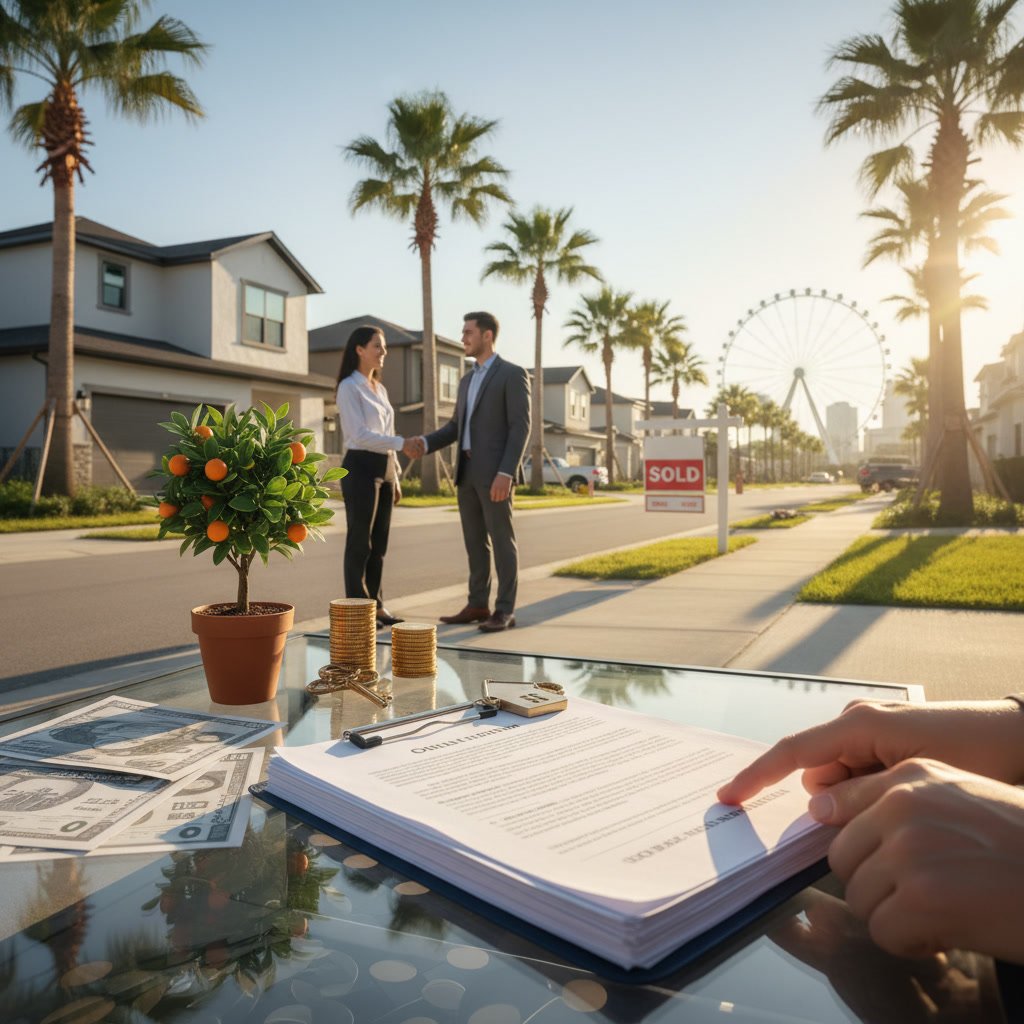
Closing day typically takes place at a title company office, where you’ll sign numerous documents transferring ownership. Bring a government-issued ID and a cashier’s check or arrange a wire transfer for your down payment and closing costs.
Review each document before signing and ask questions about anything you don’t understand. The closing agent will explain each form, including your mortgage note, deed of trust, and settlement statement.
Florida is an attorney state, but attorney representation at closing is optional. Many buyers choose to have a real estate attorney review documents, especially for complex transactions or new construction purchases.
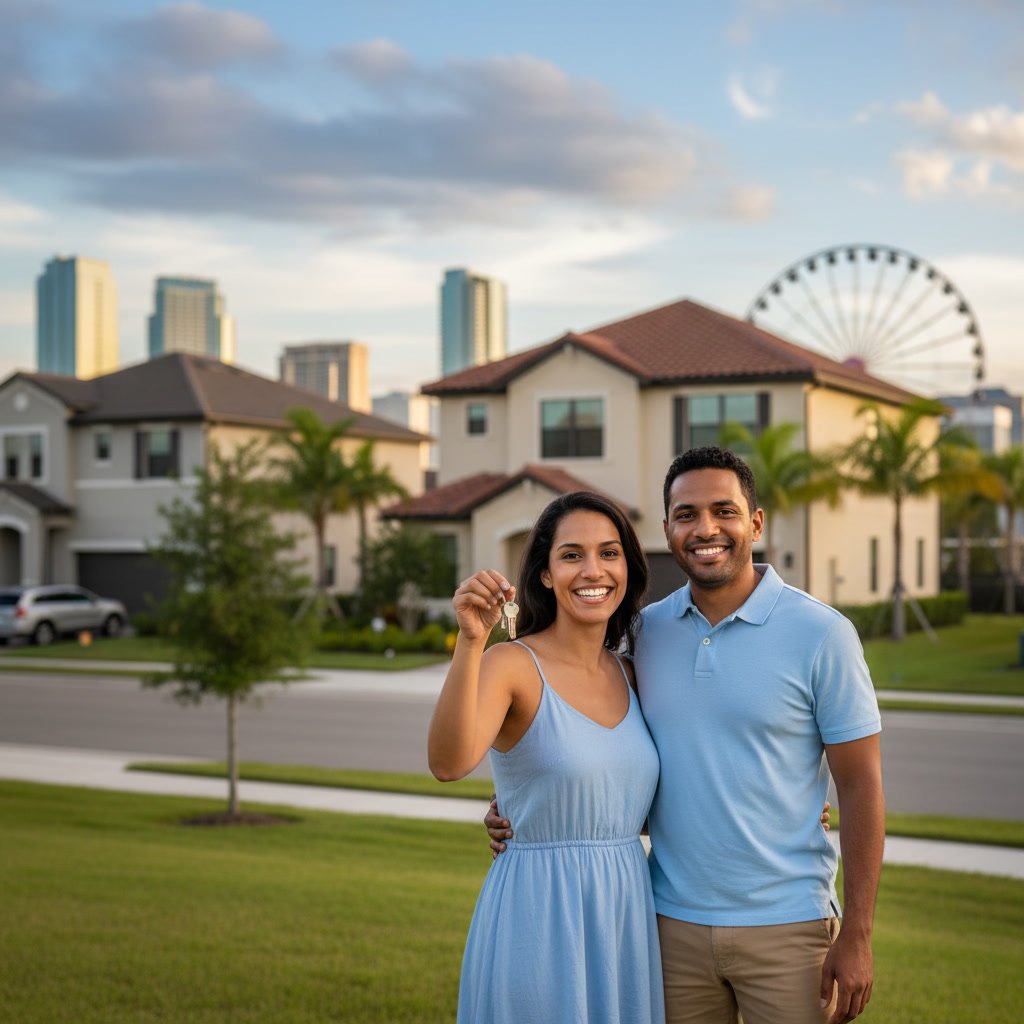
After signing, you’ll receive the keys to your new home. The deed will be recorded with the county, officially transferring ownership to you. This process usually completes within a few hours to a few days, depending on the county recorder’s office.
Additional Considerations for Hollywood Home Buyers
Florida’s homestead exemption can reduce your property tax burden significantly if the home serves as your primary residence. File for this exemption with the Broward County Property Appraiser’s office by March 1st of the year following your purchase.
Budget for ongoing maintenance and hurricane preparedness. Coastal living requires additional upkeep, and you’ll want hurricane shutters, impact windows, or plywood ready for storm season, which runs from June through November.
Consider hiring a property manager if you purchase a condo or investment property. Professional management can handle maintenance, tenant relations, and compliance with HOA rules. Those interested in learning more about these services might find it helpful to explore options for property management costs in the area.
Join neighborhood associations or community groups to connect with other residents and stay informed about local issues. Hollywood has an active community culture that enhances the living experience for new residents.
Frequently Asked Questions
How much do I need for a down payment to buy home Hollywood FL?
Most conventional loans require 5% to 20% down, while FHA loans accept as little as 3.5% for qualified buyers. In Hollywood’s market, where median home prices hover around $500,000, you should plan to save $25,000 to $100,000 for a down payment plus closing costs. First-time buyer programs may offer down payment assistance or lower requirements.
How long does it take to buy a home in Hollywood?
The typical timeline from offer acceptance to closing runs 30 to 45 days for financed purchases. Cash buyers can close in as little as two weeks. Add several weeks or months to your timeline for the initial search phase, depending on market inventory and how quickly you find the right property.
What are the property tax rates in Hollywood FL?
Broward County’s combined property tax rate averages around 1.5% to 2% of assessed value annually. The homestead exemption reduces your taxable value by $50,000, providing significant savings. Your actual tax bill depends on your home’s assessed value and any additional exemptions you qualify for.
Should I buy a condo or single-family home in Hollywood?
This depends on your lifestyle preferences and maintenance willingness. Condos offer amenities like pools and fitness centers with lower maintenance responsibilities but come with HOA fees and rules. Single-family homes provide more privacy and control but require you to handle all maintenance and repairs. Consider your budget, time availability, and long-term plans when deciding.
Is Hollywood FL a good place to invest in real estate?
Hollywood offers strong rental demand due to its beaches, proximity to Fort Lauderdale and Miami, and growing job market. The city attracts both long-term renters and vacation rental guests. Research local rental regulations and HOA restrictions if you plan to rent your property, as some communities limit rental frequency or duration. If you later decide to expand your real estate portfolio, understanding the selling process in nearby markets can help with future investment decisions.
Ready to Begin Your Hollywood Home Search
Buying a home in Hollywood FL requires careful planning, market knowledge, and the right professional guidance. Each step in this process builds toward the goal of finding a property that meets your needs and fits your budget while protecting your interests throughout the transaction.
Florida Real Estate Specialist serves buyers throughout Hollywood and surrounding communities including Miami Beach, Fort Lauderdale, and the greater South Florida area. Our team provides personalized service backed by extensive local market expertise to help you navigate every stage of your home purchase.
Contact Florida Real Estate Specialist at +16464048166 to discuss your Hollywood home buying goals and start your property search with confidence.