


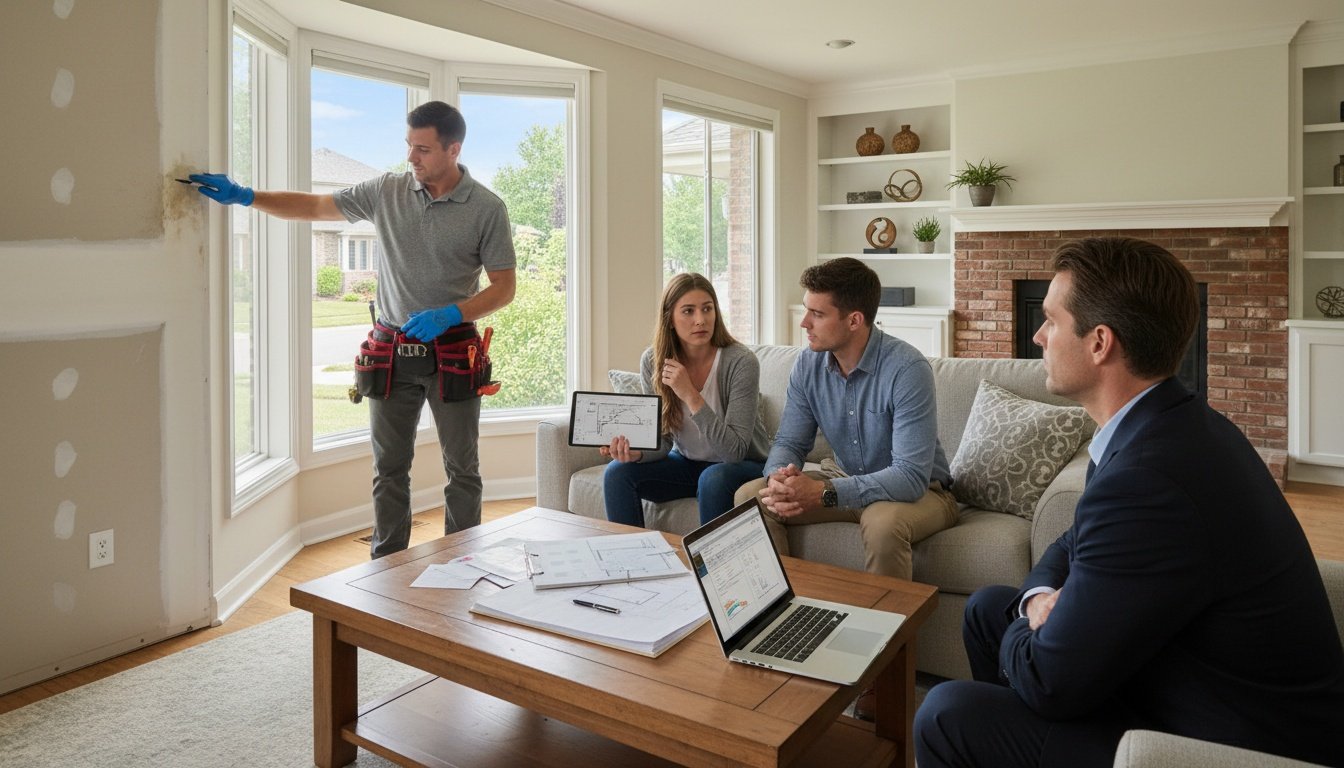
The inspection negotiation process begins immediately after your home inspector delivers a report identifying defects, safety issues, or maintenance needs in the property you want to purchase. Buyers typically have three to seven days to review findings and decide whether to request repairs, ask for seller credits, renegotiate the purchase price, or walk away from the transaction entirely. The outcome depends on the severity of issues discovered, local market conditions, and how well both parties communicate their priorities and limitations.
Why Home Inspections Rarely Come Back Perfect
Every property has some level of wear, deferred maintenance, or age-related deterioration. Inspectors examine roofs, HVAC systems, plumbing, electrical panels, foundations, windows, and dozens of other components. Even well-maintained homes built within the last decade often generate reports listing 20 to 40 items requiring attention. Most findings fall into three categories: safety hazards that require immediate correction, major systems nearing the end of their useful life, and minor cosmetic or maintenance issues that pose no urgent risk.
Florida properties face unique challenges including humidity damage, termite activity, outdated electrical panels common in older buildings, and roof deterioration from salt air and tropical storms. Buyers who purchase properties without understanding regional construction patterns often overreact to normal findings or miss genuinely serious defects.
Reading Your Inspection Report Strategically
Professional inspection reports run 30 to 60 pages with photographs documenting every issue. The challenge is separating deal-breakers from routine maintenance. Focus first on structural concerns, active water intrusion, mold growth, faulty electrical wiring, and mechanical systems that have failed or show imminent failure. These represent safety risks or expenses exceeding several thousand dollars.
Next, identify items with costs between 500 and 5,000 dollars such as worn roofing, aging water heaters, or cracked HVAC condensers. These become your primary negotiation points. Finally, note minor issues like loose handrails, missing outlet covers, or dripping faucets. You can often repair these yourself after closing for minimal expense, making them poor leverage points during negotiations.

Four Options Buyers Have After Receiving Inspection Results
You can request the seller complete specific repairs before closing using licensed contractors and providing invoices and warranties. This approach works well for specialized work like electrical panel upgrades or plumbing repairs that require permits and inspections. However, you lose control over contractor selection and quality, and rushed repairs often create new problems.
Alternatively, you can negotiate a seller credit at closing, receiving funds to handle repairs yourself after taking ownership. This gives you control over timing, contractor choice, and quality standards. The credit reduces your cash to close and may affect your loan calculations, so coordinate with your lender before requesting specific amounts.
A third option is renegotiating the purchase price downward to reflect repair costs. This approach reduces your loan amount and future mortgage payments but requires seller agreement and sometimes a new appraisal. The fourth choice is accepting the property as-is with no concessions, which makes sense when inspection findings are minimal or when market conditions heavily favor sellers.
How to Prioritize Your Repair Requests
Sellers rarely agree to address every item in an inspection report. Requesting repairs for 30 minor issues signals inexperience and often triggers seller frustration that derails negotiations. Instead, focus your request on three to seven significant items representing genuine safety concerns or costs exceeding 1,000 dollars each.
Group related items together. Rather than listing 12 separate plumbing defects, request the seller address all plumbing issues identified in the report. This approach feels less adversarial while still protecting your interests. Always distinguish between pre-existing conditions you want addressed and routine maintenance items you accept as part of owning the property.
Understanding Seller Motivation and Market Position
The seller’s response depends heavily on their circumstances and current market dynamics. A seller who has already purchased their next home and faces carrying two mortgages has strong motivation to accommodate reasonable requests. Conversely, a seller with multiple backup offers and no time pressure may refuse all concessions and dare you to walk away.
Properties that have sat on the market for months typically generate more flexible negotiations than homes that received offers within days of listing. Your agent should research how long the property has been available, whether the seller has reduced the price previously, and if other deals have fallen through. This intelligence shapes your negotiation strategy significantly.
Submitting Your Inspection Response in Brickell
Your agent prepares a formal inspection response document listing each requested repair or credit with supporting references to specific report sections and photographs. This document should maintain a professional, factual tone rather than an emotional or accusatory one. Include cost estimates from licensed contractors for major items to demonstrate you have researched actual repair expenses rather than guessing.
Submit your response before the inspection contingency deadline specified in your purchase contract. Missing this deadline may forfeit your right to negotiate or withdraw without losing your earnest money deposit. In competitive markets like Miami, sellers expect quick turnarounds, while slower markets may tolerate requests for deadline extensions.

The Seller Response and Counter-Negotiation Phase
Sellers typically respond within two to four days with one of four positions: accept all your requests, reject everything and demand you proceed as-is, agree to some items while refusing others, or counter with alternative solutions such as credits instead of repairs. This is where skilled negotiation becomes critical.
If the seller agrees to make repairs, insist on receiving copies of paid invoices, warranties, and any required permits or inspections before closing. Schedule a final walkthrough to verify work was completed properly. If the seller offers a credit, ensure your lender approves the amount and that it does not exceed allowable limits under your loan program. Conventional loans typically cap seller credits at 3% to 9% of the purchase price depending on your down payment.
When sellers refuse major requests, you must decide whether to accept the property with known defects, continue negotiating, or exercise your inspection contingency to cancel the contract and recover your earnest money. This decision should factor in comparable property conditions, your budget for post-closing repairs, and whether the issues represent deferred maintenance or fundamental structural problems.
Common Negotiation Mistakes Buyers Make
Requesting repairs for cosmetic issues like worn carpets, outdated light fixtures, or paint scuffs wastes negotiating capital on items that carry minimal cost and generate seller resentment. Save your leverage for significant mechanical, structural, or safety concerns that require professional intervention.
Another error is assuming the inspection report represents an exhaustive defect list. Inspectors examine visible, accessible components but cannot open walls, move furniture, or test every outlet and fixture. Some issues only become apparent after you take ownership. Budget for unexpected repairs rather than expecting the seller to guarantee a perfect property.
Buyers also frequently miscalculate repair costs by obtaining estimates from unlicensed handymen rather than properly insured contractors who pull permits. Sellers and their agents will challenge lowball estimates, undermining your credibility. When you search for properties, understanding typical repair costs in your target area helps you negotiate more effectively.
When to Walk Away from the Deal
Some inspection findings justify canceling the purchase entirely. Structural failures like foundation cracks with ongoing movement, active water intrusion causing widespread mold growth, or failed septic systems requiring full replacement can cost 20,000 to 100,000 dollars to correct. If the seller refuses to address these issues and you cannot afford the repairs, walking away protects you from a financial disaster.
Insurance concerns also warrant serious consideration. Properties with outdated electrical panels, old roofs, or prior water damage may be difficult or impossible to insure. Your homeowners insurance carrier may refuse coverage or charge premiums so high that owning the property becomes unaffordable. Verify insurability before waiving your inspection contingency.

Protecting Your Interests Through the Closing Process
Once you and the seller agree on inspection terms, document everything in a formal amendment signed by both parties. This amendment becomes part of your purchase contract and legally obligates the seller to complete agreed repairs or provide specified credits. Never accept verbal promises or handshake agreements, no matter how trustworthy the seller seems.
Schedule your final walkthrough within 24 hours of closing to verify the property remains in the agreed condition and that any promised repairs were completed satisfactorily. If you discover the seller did not fulfill their obligations, you can delay closing until they do or negotiate additional credits to cover incomplete work. Buyers sometimes discover sellers removed fixtures, failed to complete repairs, or caused damage during their moveout.
Understanding the inspection negotiation process helps you advocate for your interests while maintaining a productive relationship with the seller. The goal is reaching a fair agreement that allows the transaction to close successfully while protecting you from unexpected repair costs immediately after purchase.
Closing the Deal with Confidence After Inspection Negotiations
Successfully navigating inspection negotiations requires balancing your legitimate concerns against market realities and seller motivations. Focus your requests on significant safety and financial issues rather than minor cosmetic imperfections. Understand that every property has flaws, and no inspection guarantees a problem-free home. Buyers who approach negotiations with realistic expectations, solid contractor estimates, and clear priorities typically reach agreements that protect their investment while keeping the transaction on track.
Florida Real State Specialist helps buyers throughout South Florida understand inspection findings, develop effective negotiation strategies, and connect with trusted contractors who provide accurate repair estimates. Our team has guided hundreds of buyers through complex inspection negotiations in properties ranging from historic homes to modern condos. Whether you need help interpreting your inspection report or want an experienced advocate during negotiations, we provide the local expertise and market knowledge that protects your interests. Reach out to our team at +16464048166 to discuss how we can help you navigate your home purchase with confidence.