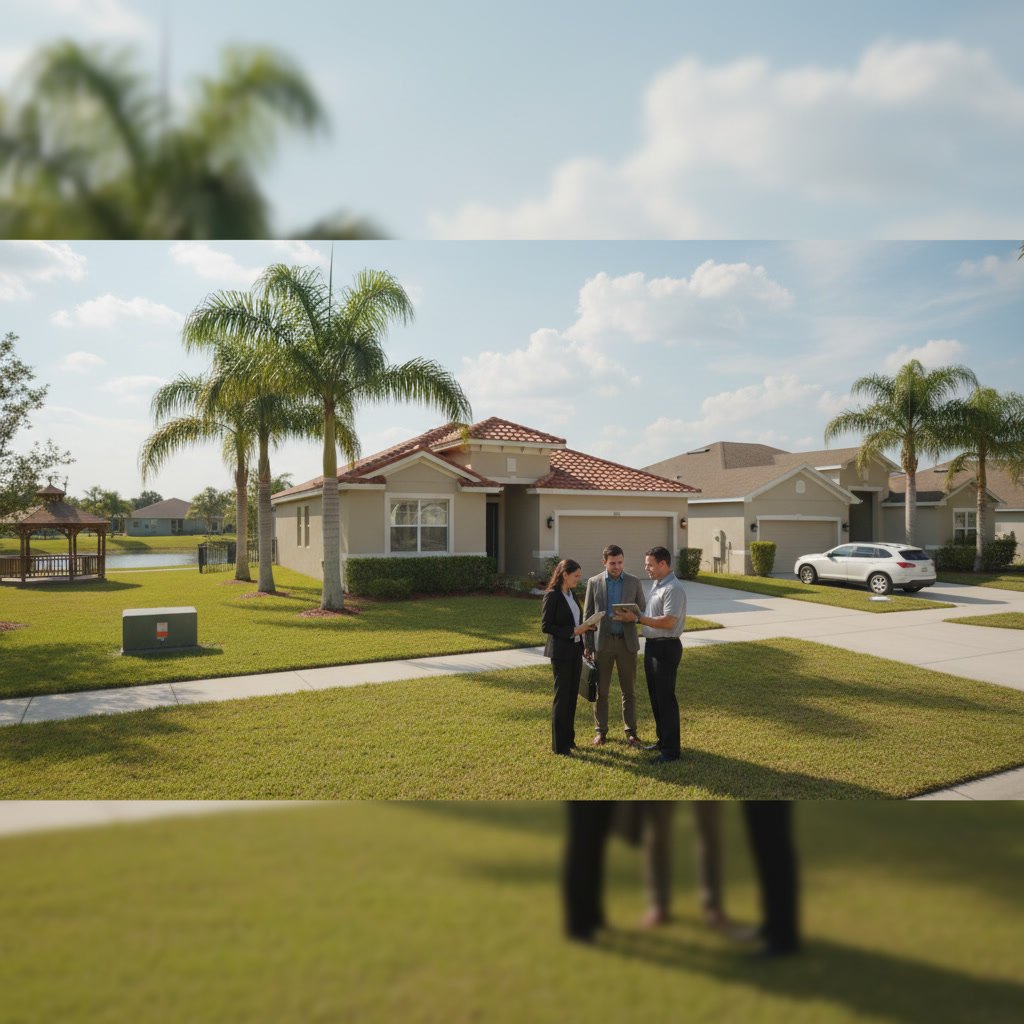


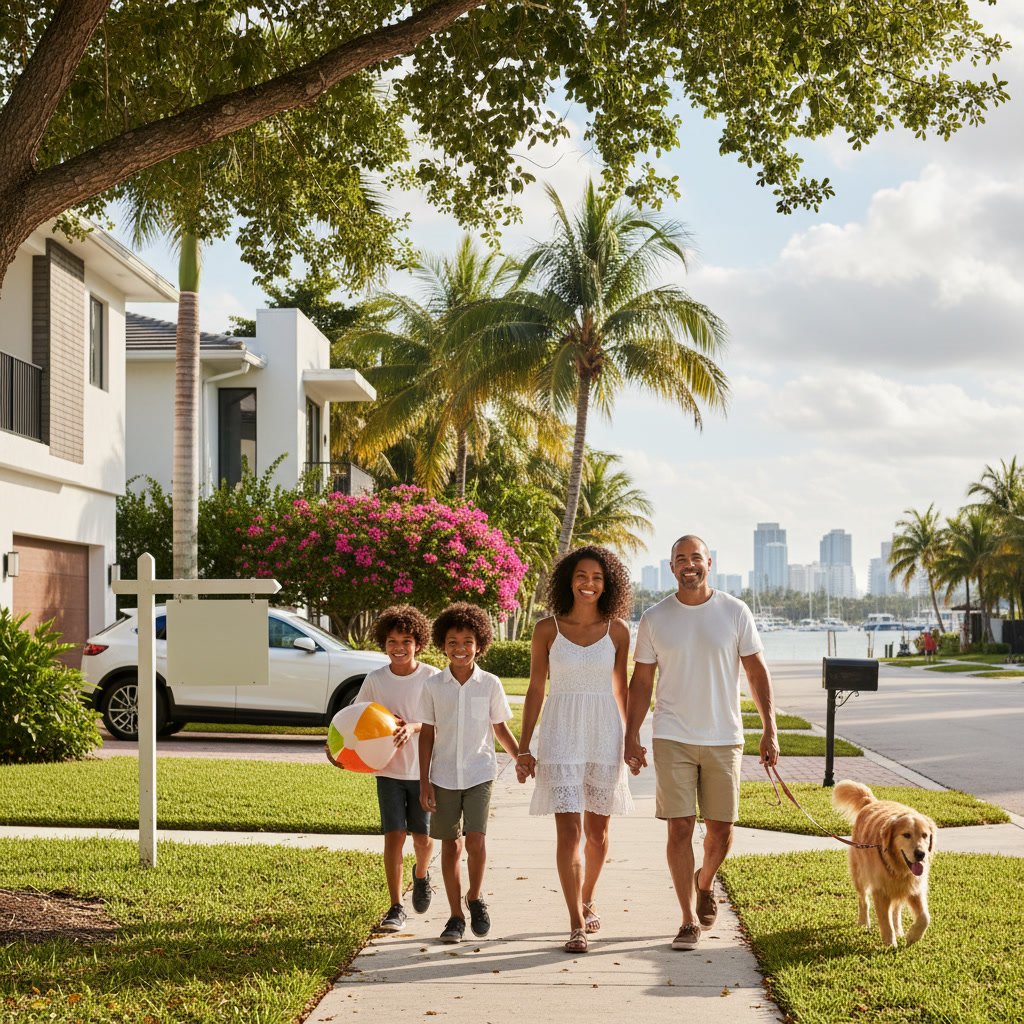
Finding the right neighborhood when you want to buy home Miami families will thrive in takes more than just looking at square footage and curb appeal. You need great schools, safe streets, parks your kids can play in, and a community where your family can put down roots for years to come. Miami’s diverse neighborhoods offer everything from waterfront living to quiet suburban streets, but not all are equally suited for families with children.
This guide walks you through the best family-friendly neighborhoods to buy a property in Miami during 2025. We cover school ratings, safety data, home prices, and what makes each area special for families. Whether you’re relocating to South Florida or moving within the region, you’ll find practical details to help narrow your search.
What Makes a Neighborhood Family Friendly in Miami
Before diving into specific areas, it helps to understand what separates a great family neighborhood from the rest. Parents typically prioritize four main factors when choosing where to live.
School quality ranks at the top for most families. Look for neighborhoods served by schools with GreatSchools ratings of 7 or higher. Many South Florida families specifically target areas with A-rated elementary schools, knowing that strong early education sets the foundation for their children’s future success.
Safety comes next. Check local crime statistics through the Miami-Dade Police Department’s online dashboard. The safest family neighborhoods typically show crime rates 30 to 50 percent below county averages, particularly for property crimes and violent incidents.
Parks and recreation matter more than many first-time buyers realize. Kids need outdoor space to play, and families need community amenities like pools, sports fields, and walking trails. The best neighborhoods offer multiple parks within a 10-minute walk or drive.
Community feel is harder to quantify but just as important. Look for neighborhoods with active homeowner associations, regular family events, and streets where neighbors actually know each other. Drive through potential areas on weekday evenings and weekend mornings to see how many families are outside.
Coconut Grove
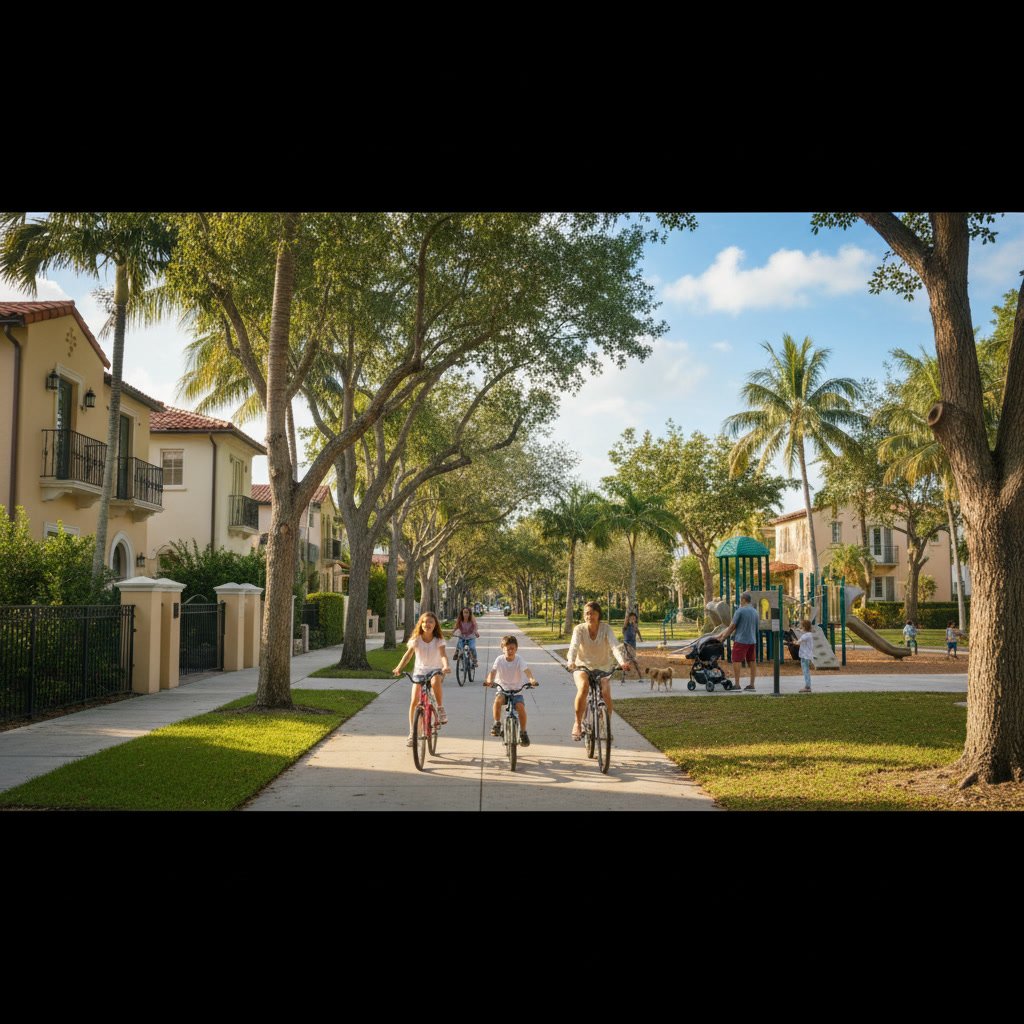
Coconut Grove stands out as one of Miami’s most established family neighborhoods. The tree-canopied streets and village atmosphere create a completely different feel from the high-rise condo towers you’ll find in other parts of Miami.
The neighborhood offers several highly-rated schools, including Carrollton School of the Sacred Heart and Ransom Everglades School for private education. Public school families have access to George Washington Carver Elementary and Middle School, which consistently scores well on state assessments.
Single-family homes in Coconut Grove typically range from $800,000 to over $3 million depending on proximity to the water and lot size. The median home price sits around $1.2 million as of early 2025. Families buying waterfront properties should read up on what to look for when buying waterfront property in this area.
Peacock Park provides a central gathering space with a playground, basketball courts, and regular farmers markets. The Barnacle Historic State Park offers nature trails and weekend programs for children. Walking and biking are common here, with many families able to reach schools, parks, and the village center without driving.
Pro Tip: Coconut Grove’s tree canopy means less direct sunlight on homes, which can reduce cooling costs by 15 to 20 percent compared to neighborhoods without mature trees. This adds up to real savings over years of ownership.
Pinecrest
Pinecrest consistently ranks as Miami-Dade County’s top choice when families want to buy home Miami families can grow in for the long term. This suburb sits about 12 miles southwest of downtown Miami and feels worlds apart from the urban core.
The village’s schools drive much of its appeal. Palmetto Elementary, Palmetto Middle, and Palmetto Senior High all earn A ratings from the Florida Department of Education. Many families move to Pinecrest specifically for these schools, accepting longer commutes in exchange for educational quality.
Home prices reflect the demand. Expect to pay $700,000 minimum for a starter family home, with most single-family properties ranging from $900,000 to $2 million. Larger estate homes on oversized lots can exceed $5 million. The tradeoff is space. Lot sizes here often reach 10,000 to 20,000 square feet, giving families room for pools, play structures, and actual yards.
Pinecrest Gardens provides 18 acres of botanical gardens, a petting zoo, playground, and splash pad. The village hosts family movie nights, concerts, and seasonal festivals throughout the year. Biking is extremely popular, with many neighborhoods featuring wide streets and minimal through-traffic.
What to Know Before Buying in Pinecrest
The village enforces strict zoning and architectural standards to preserve its character. You’ll need approval for exterior changes, additions, and new construction. These rules protect property values but require patience during renovation projects.
Commute times matter. If you work in downtown Miami or Brickell, expect 25 to 40 minutes each way during rush hour. Many Pinecrest families find the trade-off worthwhile, but test your commute before committing.
Coral Gables
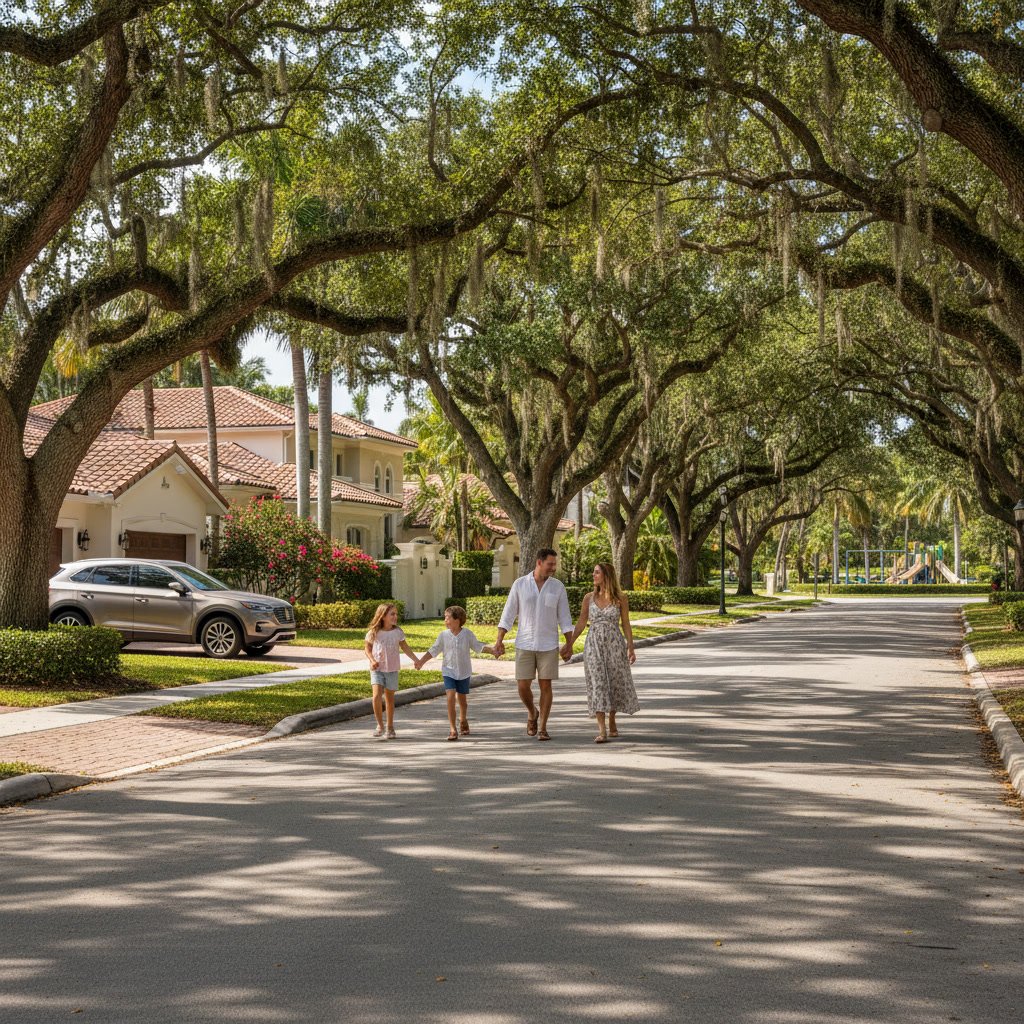
Coral Gables offers families a mix of Mediterranean architecture, tree-lined streets, and strong schools within closer proximity to Miami’s job centers than Pinecrest. The city’s strict building codes have preserved its distinctive character since the 1920s.
School options include several top-rated public schools like Coral Gables Preparatory Academy and Coral Gables Senior High, plus numerous private options such as St. Thomas Episcopal Parish School and Carrollton. The school district boundaries can be complex, so verify which schools serve specific addresses before making offers.
Home prices vary widely by section. North Gables offers more affordable options starting around $600,000, while properties near the Biltmore Hotel or along the waterways can exceed $3 million. The median sale price hovers around $950,000 for single-family homes.
Families enjoy multiple parks including Venetian Pool, a historic spring-fed swimming pool that’s a summer staple for local kids. Youth Center Park offers sports fields, tennis courts, and after-school programs. The city’s walkability stands out. Many neighborhoods allow families to walk to elementary schools, small shopping districts, and restaurants.
One consideration: parking can be tight in older sections where homes were built before multi-car households became standard. Many properties have single-car garages or only street parking. Factor this into your decision if you own multiple vehicles.
Kendall
Kendall provides one of the most affordable options for families who want to buy home Miami families can actually afford without stretching their budget to the breaking point. This sprawling suburban area southwest of downtown offers newer construction, larger lots, and lower price points than neighborhoods closer to the coast.
The area includes numerous A-rated and B-rated schools, including Sunset Elementary, Hammocks Middle School, and Southwest Miami Senior High. Private school options are abundant, with many families choosing religious schools or Montessori programs.
Single-family homes start around $400,000 for three-bedroom properties, with most family-sized homes ranging from $500,000 to $800,000. This represents 30 to 50 percent less than comparable properties in Coral Gables or Pinecrest. Newer subdivisions built in the past 15 years often include community pools, playgrounds, and clubhouses in HOA fees that range from $150 to $350 monthly.
The Kendall Indian Hammocks Park spans 90 acres with multiple playgrounds, sports fields, and one of Miami-Dade’s best skate parks. Zoo Miami sits at Kendall’s southern edge, providing year-round family entertainment within a short drive.
The Commute Factor
Distance is Kendall’s main drawback. If you work downtown or in Miami Beach, expect 35 to 50 minutes each way during peak hours. The Palmetto Expressway and Florida’s Turnpike provide the main routes north, and both see heavy traffic. Many Kendall families offset this by working in Doral, Coral Gables, or other west-side locations with easier access.
Miami Shores
Miami Shores offers a compelling middle ground between expensive coastal neighborhoods and far-flung suburbs. This village sits just north of downtown Miami and provides quick access to both the city and Miami Beach while maintaining a quiet, residential character.
School options include Miami Shores Elementary, which consistently earns good ratings, plus easy access to private schools throughout North Miami and Miami Beach. Many families also consider the nearby charter schools that serve the area.
Home prices typically range from $500,000 to $1.2 million for single-family properties. The village features classic 1940s and 1950s ranch homes alongside newer construction. Many properties sit on quarter-acre lots, larger than what you’ll find in denser Miami neighborhoods.
The Miami Shores Aquatic Center provides a community pool and swim programs for all ages. Multiple small parks dot the residential streets, and the village hosts regular family events including an annual country fair. Biscayne Boulevard runs along the village’s eastern edge, providing abundant shopping and dining options.
Key Takeaway: Miami Shores works particularly well for families who need to commute to multiple locations. The central position means you’re 15 to 20 minutes from downtown Miami, Fort Lauderdale, and Miami Beach when traffic is light.
Aventura
Aventura attracts families who want modern amenities, newer construction, and a mix of single-family homes and family-sized condos. This planned community in northeast Miami-Dade emphasizes security, recreation, and easy access to both Miami and Fort Lauderdale.
The area’s schools include Aventura City of Excellence School, which consistently ranks among the county’s top elementary schools. Charter school options abound, and many families choose private schools in nearby Sunny Isles or North Miami Beach.
Single-family homes start around $700,000 but quickly climb to $1.5 million and higher for newer construction or waterfront properties. The condo market offers more variety, with family-sized three-bedroom units starting around $450,000 in older buildings and reaching $1 million-plus in newer luxury developments.
Aventura’s parks system includes the excellent Founders Park with splash pads, playgrounds, and a pier for fishing. The city’s walking and biking trails connect neighborhoods to schools and shopping areas. Many families appreciate the extensive security measures in both gated communities and the city’s public areas.
Doral
Doral has exploded in popularity over the past 15 years as families discovered its combination of new construction, strong schools, and central location near Miami International Airport. The city west of Miami proper offers a distinctly suburban feel with modern infrastructure.
Multiple A-rated schools serve Doral families, including Ronald Reagan Doral Senior High School and several highly-rated elementary and middle schools. The city’s growth has brought new school construction to keep pace with demand.
Home prices range from $500,000 to over $2 million depending on neighborhood and home age. Many subdivisions were built between 2005 and 2020, offering open floor plans and hurricane-resistant construction. HOA fees typically run $200 to $500 monthly and often include community pools, fitness centers, and playgrounds.
Doral Central Park provides 82 acres of green space with sports fields, playgrounds, and regular community events. The city hosts festivals throughout the year that draw families from across Miami-Dade. Shopping and dining options are extensive, with multiple major retail centers within the city limits.
The airport proximity cuts both ways. Families enjoy easy access for travel but must accept aircraft noise in some neighborhoods. Test different areas at various times of day before choosing where to focus your search.
How to Choose the Right Neighborhood for Your Family
With multiple strong options to buy home Miami families love, narrowing your search requires honest assessment of your priorities and trade-offs.
Start by mapping your daily routines. Where do you work? Where will your kids go to school? What activities matter most to your family? Create a spreadsheet listing your top three to five neighborhoods and score each on school quality, commute time, home price, and community amenities.
Visit neighborhoods at different times. Drive through on weekday mornings to see school traffic patterns. Return on weekend afternoons to observe family activity. Talk to parents at local parks and ask about their experience living in the area.
Run the numbers carefully. Use online calculators to estimate total monthly costs including mortgage, property taxes, insurance, and HOA fees. Property costs vary significantly across Miami-Dade County. Many families find they can afford more house by choosing a location 10 minutes farther from downtown.
Consider your timeline. If you have young children, elementary school quality matters most right now. Families with teenagers should prioritize high school ratings. Think about whether you’ll stay through your children’s entire school years or might move again before high school.
Work with a real estate professional who knows family neighborhoods in South Florida. Florida Real Estate Specialist has helped hundreds of families find homes in Miami’s top neighborhoods and can provide insight that goes beyond online listings.
Frequently Asked Questions
What is the safest neighborhood in Miami for families?
Pinecrest consistently ranks as Miami-Dade County’s safest municipality based on FBI crime statistics, with crime rates roughly 60 percent below county averages. Coral Gables and Aventura also score very well for safety, with strong police presence and low rates of both violent and property crime. When comparing neighborhoods, check Miami-Dade Police Department statistics for the specific area rather than relying on city-wide averages.
Can I find a good family home in Miami for under $500,000?
Yes, particularly in Kendall, western Doral, and some parts of Miami Shores. You’ll typically get more space and newer construction by looking southwest of downtown rather than in coastal or central neighborhoods. Three-bedroom homes with yards are available in the $400,000 to $500,000 range in select Kendall subdivisions. Be prepared to expand your search radius to find the best value for family-sized properties.
How important are school ratings when choosing where to buy?
School ratings significantly impact both your child’s educational experience and your home’s resale value. Homes in top-rated school zones typically appreciate 10 to 20 percent faster than comparable properties in lower-rated zones. Even if you plan to use private schools, buying in a strong public school zone protects your investment. Future buyers will pay a premium for access to good schools regardless of whether your family used them.
Should I buy in a neighborhood with an HOA?
HOAs offer benefits and drawbacks for families. The advantages include maintained common areas, community pools and playgrounds, and consistent neighborhood appearance that protects property values. Drawbacks include monthly fees ranging from $150 to $500-plus and rules restricting exterior changes, parking, and sometimes even play equipment. Review HOA documents carefully before buying to understand what you’re agreeing to and whether the amenities justify the cost.
What is the best time of year to buy a family home in Miami?
Summer months from June through August typically see less competition from buyers, particularly those with school-age children who prefer to move between school years. However, inventory also tends to be lower during summer. Late fall from October through early December often provides a sweet spot with decent inventory and fewer competing offers. If possible, start your search in September or October to close before the holiday season.
Finding Your Family Home in Miami
The right neighborhood transforms a house into a home where your family will build memories for years to come. Whether you’re drawn to Coconut Grove’s tree-lined streets, Pinecrest’s top-rated schools, or Kendall’s affordable space, Miami offers family-friendly options across a range of price points and lifestyle preferences. Focus on what matters most to your family, visit neighborhoods in person, and work with professionals who understand the local market.
Florida Real Estate Specialist has helped families throughout Miami-Dade County find the perfect home for their needs. Our team knows which neighborhoods offer the best schools, safest streets, and strongest community feel for families raising children in South Florida. We serve families buying in Coconut Grove, Pinecrest, Coral Gables, and throughout the Miami area.
Ready to start your search? Call +16464048166 to speak with a family neighborhood specialist, or visit our property search page to browse current listings in Miami’s best family neighborhoods. We’ll help you find the home where your family will thrive.