

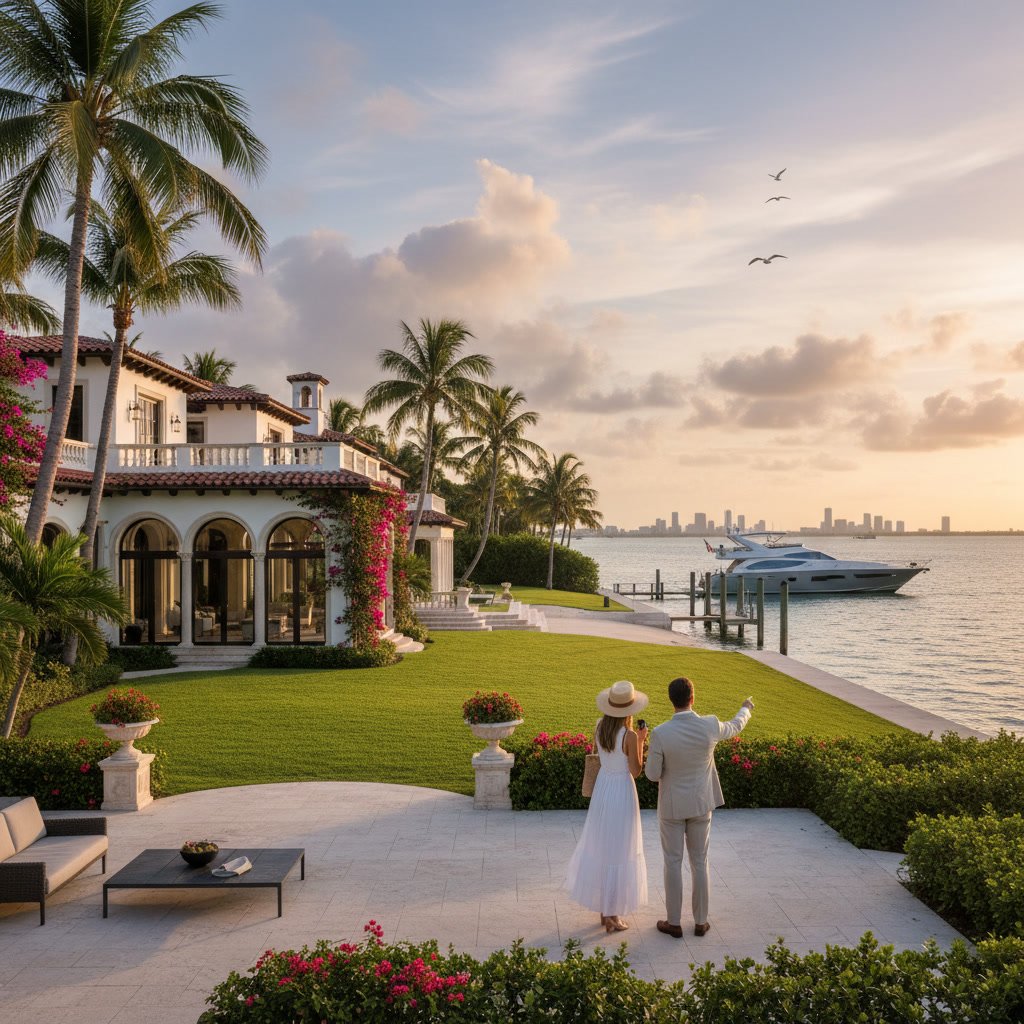
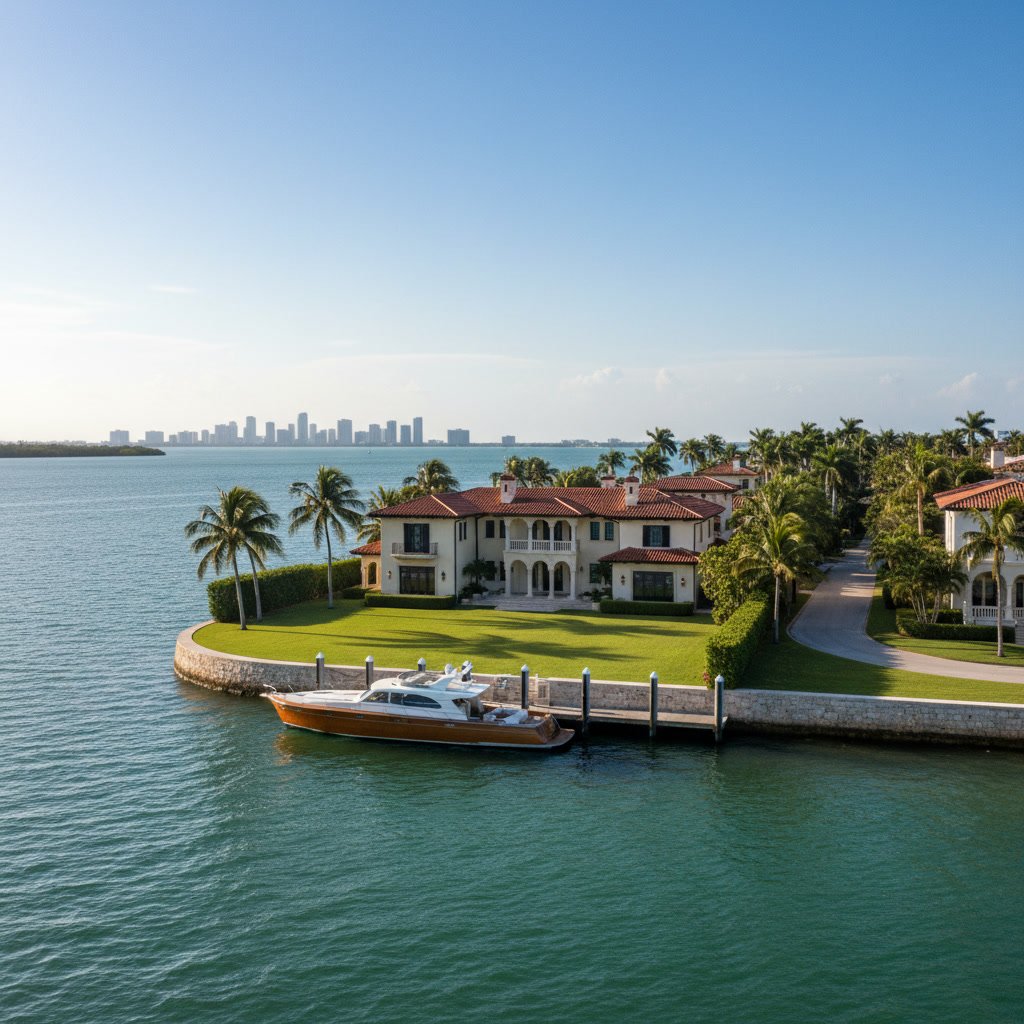
The appeal of waking up to sunrise over Biscayne Bay draws thousands of buyers to Coconut Grove every year. Waterfront homes here offer direct bay access, private docks, and some of the most valuable real estate in South Florida. But when you buy waterfront Coconut Grove property, you’re not just purchasing a house. You’re taking on seawalls, flood zones, marine construction regulations, and insurance costs that can surprise unprepared buyers.
This guide walks you through the specific factors that matter when evaluating waterfront homes in Coconut Grove, from structural concerns to long-term maintenance costs. Whether you’re searching for a sailboat-accessible dock or a protected canal location, understanding these details before you make an offer will save you time, money, and regret.
Understanding Flood Zones and Insurance Requirements
Every waterfront property in Coconut Grove sits within a FEMA-designated flood zone. Most fall into Zone AE or VE, which require flood insurance if you’re financing the purchase. Zone VE properties face the highest premiums because they’re exposed to wave action during storms.
Flood insurance costs vary dramatically based on the home’s elevation and construction date. A house built before 1983 (before modern flood maps) sitting at grade level can cost $8,000 to $15,000 annually in flood premiums. A newer home elevated above Base Flood Elevation (BFE) might cost $2,000 to $4,000 per year.
Before you buy waterfront Coconut Grove real estate, request the property’s Elevation Certificate. This document shows how the home’s lowest floor compares to the BFE. If the seller doesn’t have one, budget $500 to $800 to hire a surveyor to create it. The certificate determines your insurance rate and tells you whether the property is grandfathered under older, cheaper flood map designations.
Ask the seller for their current flood insurance policy declaration page. It shows exactly what they’re paying now. If they refuse or claim they don’t have flood insurance despite being in a high-risk zone, that’s a red flag about undisclosed flooding history.
Seawall Condition and Replacement Costs
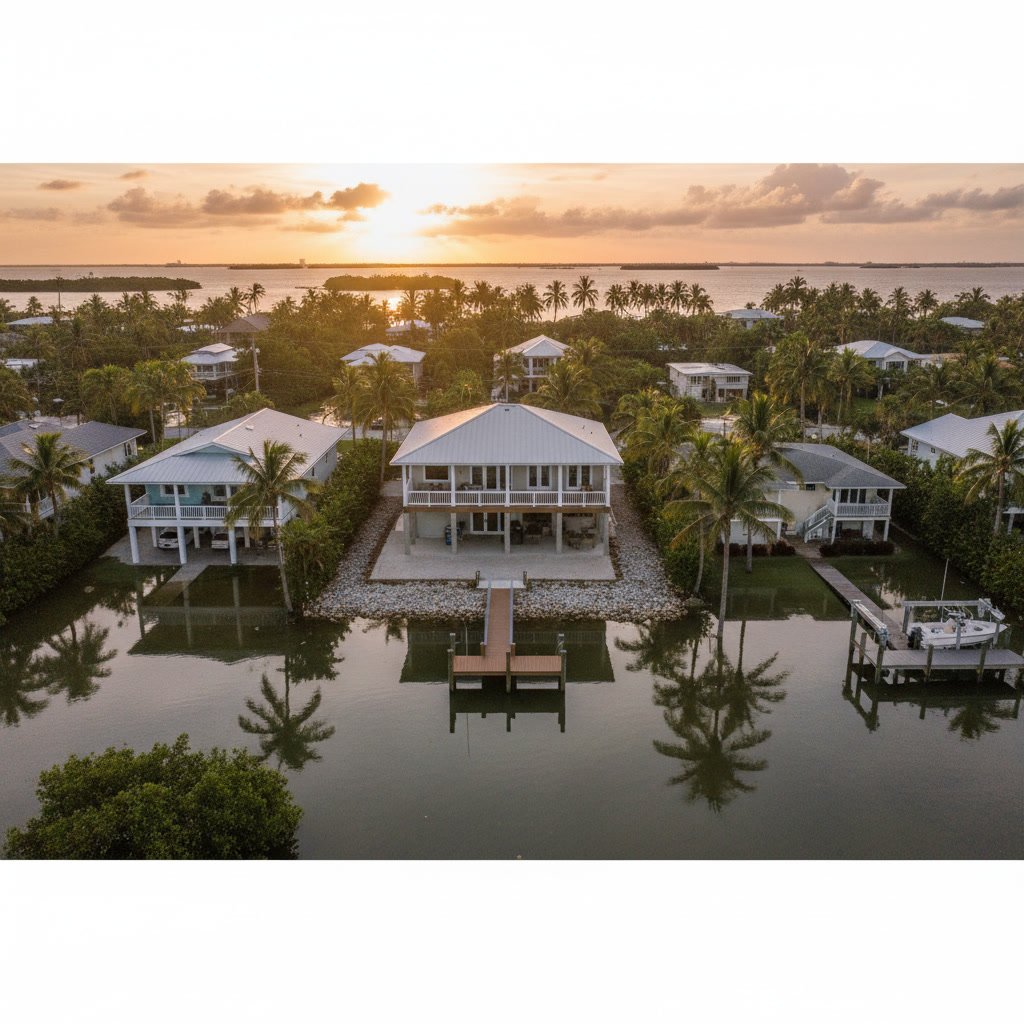
The seawall protects your property from erosion and storm surge. It’s also one of the most expensive components to repair or replace. A failing seawall can cost $800 to $1,500 per linear foot to rebuild, meaning a 100-foot waterfront lot could require $80,000 to $150,000 in seawall work.
During your inspection, hire a marine contractor or structural engineer who specializes in waterfront properties. They’ll check for cracks, tilting, voids behind the wall, and corrosion of tie-back rods. Common warning signs include sinkholes in the yard near the water, visible lean toward the bay, or large gaps between cap blocks.
Most seawalls in Coconut Grove were built between the 1950s and 1980s using concrete or steel sheet piling. Concrete walls typically last 40 to 60 years before needing replacement. Steel corrodes faster in saltwater and may need replacement after 25 to 40 years.
Pro Tip: Ask the seller for seawall maintenance records and the date of the last inspection. If they’ve done no maintenance in over 10 years on a wall built in the 1970s or earlier, budget for replacement within five years of purchase.
If the seawall needs work, use that in your negotiation. Some buyers request a credit at closing. Others ask the seller to complete repairs before closing. Either way, don’t ignore seawall problems. They only get worse and more expensive with time.
Dock Permits and Marina Access
If boating is part of your reason to buy waterfront Coconut Grove property, verify the dock is permitted and large enough for your vessel. Miami-Dade County requires permits for docks, and unpermitted structures can force you to tear them down or pay fines.
Check the property’s records with the county’s Regulatory and Economic Resources Department. The seller should provide as-built drawings showing the dock’s dimensions and approval stamps. If the dock was modified or extended without permits, you inherit that liability.
Water depth matters as much as dock size. Many Coconut Grove canals and bay-front areas have shallow water, especially at low tide. If you own a boat with a four-foot draft, you need at least five to six feet of water at mean low tide to avoid grounding. Request a recent depth survey or hire a marine surveyor to measure depths at the dock.
Also check for navigation restrictions. Some canals have no-wake zones or bridge clearances that limit boat height. If you own a sailboat with a tall mast, measure the clearance of any fixed bridges between the property and open water.
Shared Docks and HOA Rules
Some Coconut Grove waterfront communities have shared docks or marina slips rather than private docks. Read the HOA or condo association rules carefully. Many limit boat length, prohibit liveaboards, restrict jet skis, or charge separate dock fees on top of HOA dues.
If you’re considering a property purchase in a community with shared amenities, request the association’s financials and reserve study. Aging docks and marina infrastructure are expensive to replace, and underfunded associations often levy special assessments on owners.
Hurricane Resistance and Impact Windows
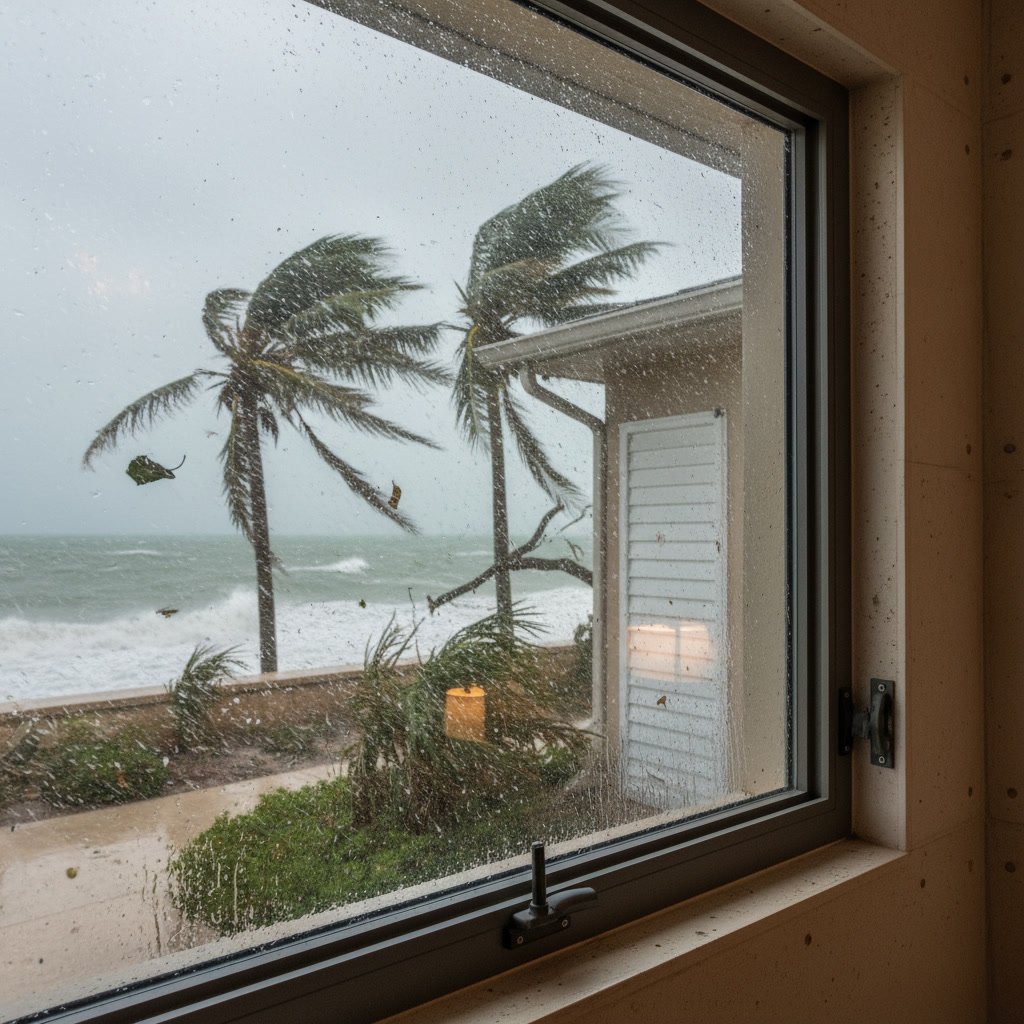
Coconut Grove sits directly in the path of Atlantic hurricanes. When you buy waterfront property here, hurricane preparedness isn’t optional. Modern building codes require impact-resistant windows and doors, but many older waterfront homes were built before these standards existed.
Verify whether the home has impact windows or hurricane shutters. Impact windows cost $50 to $100 per square foot installed, so retrofitting a 3,000-square-foot home can run $40,000 to $80,000. If the property has shutters instead, test them before closing. Corroded tracks and missing panels are common problems.
Check the roof age and rating. Insurance companies in Florida now require roofs to be less than 15 years old for full coverage. A roof over 15 years old may force you to accept actual cash value coverage instead of replacement cost, leaving you underinsured after a storm.
Ask about the home’s storm history. Florida law requires sellers to disclose material defects, including past flood damage. Search the property address in the National Flood Insurance Program’s claims database, and review the seller’s disclosure forms carefully for mentions of water intrusion, mold remediation, or storm repairs.
Saltwater Corrosion and Maintenance
Living on the water means salt air constantly attacks metal, wood, and concrete. Waterfront homes in Coconut Grove require more frequent maintenance than inland properties. Expect to repaint exterior surfaces every three to five years instead of seven to 10. Metal railings, light fixtures, and garage doors corrode faster and need replacement sooner.
During your home inspection, look for rust on roof fasteners, AC condensers, pool equipment, and electrical panels. Check wooden decks and dock pilings for rot. Saltwater accelerates wood decay, and untreated lumber can fail in as little as five to seven years.
HVAC systems near the water also have shorter lifespans. Salt air corrodes coils and compressors. Budget for replacement every 10 to 12 years instead of the typical 15 to 20 years for inland homes.
Many buyers focus on the home’s interior and miss these exterior maintenance costs. A waterfront property that looks pristine inside can still have $50,000 in deferred exterior maintenance lurking beneath fresh paint.
Water Quality and Bay Health
Not all waterfront locations offer the same water quality. Some Coconut Grove canals have restricted circulation, leading to algae blooms, foul odors, and murky water. Others enjoy steady tidal flow and clear conditions year-round.
Visit the property at different times of day and during different tide cycles. Low tide can reveal odor problems and shallow depths that aren’t obvious at high tide. Talk to neighbors about water quality trends and whether they’ve noticed changes over the years.
Check for nearby stormwater outfalls. Some older Coconut Grove neighborhoods have drains that discharge directly into canals during heavy rain. These can introduce pollutants and debris into the water near your property.
If you plan to swim or fish off your dock, request recent water quality test results from Miami-Dade County’s environmental department. Some areas have bacteria levels that exceed safe swimming standards after storms.
Property Taxes and Waterfront Premiums
Waterfront properties in Coconut Grove carry higher property tax bills than comparable inland homes. The assessed value includes a premium for bay frontage, dock access, and views. Expect to pay 20% to 40% more in annual property taxes compared to a similar-sized home two blocks inland.
Review the property’s current tax assessment on the Miami-Dade County Property Appraiser’s website. Check whether the seller has any tax exemptions, like a homestead exemption, that will expire when ownership transfers. Your tax bill in year one may be significantly higher than what the seller currently pays.
Also verify there are no pending special assessments from the city or HOA for seawall repairs, canal dredging, or marina improvements. These can add thousands of dollars to your annual costs.
Key Takeaway: Calculate your total annual carrying costs including flood insurance, windstorm insurance, property taxes, HOA fees, and typical maintenance before making an offer. Waterfront ownership in Coconut Grove often costs $30,000 to $60,000 annually beyond your mortgage payment.
Working with a Local Waterfront Specialist
Buying waterfront property requires specialized knowledge that most real estate agents don’t have. You need someone who understands seawall inspections, dock permits, flood zones, and marine contractors.
When you search for properties in Coconut Grove, work with an agent who has closed multiple waterfront transactions in the area. They’ll know which inspectors to hire, what questions to ask, and how to spot red flags during showings.
A knowledgeable agent will also help you understand market timing. Waterfront inventory in Coconut Grove is limited, and competition can be fierce for well-maintained properties with modern upgrades. But a rushed decision without proper due diligence can cost you hundreds of thousands in unexpected repairs. Similar to the process outlined in our guide on selling homes quickly in this market, buying requires understanding the unique dynamics of Coconut Grove real estate.
Your agent should coordinate inspections by a general home inspector, a marine contractor for the seawall and dock, a roof inspector, and possibly a structural engineer if the home was built before 1980. These inspections typically cost $1,500 to $3,000 combined but can save you from buying a property with six-figure repair needs.
HOA Rules and Waterfront Restrictions
Many waterfront communities in Coconut Grove have strict HOA rules governing everything from exterior paint colors to landscaping to boat sizes. Before you buy waterfront Coconut Grove property in a managed community, read the entire declaration of covenants and restrictions.
Pay special attention to rules about dock modifications, boat lifts, seawall repairs, and outdoor structures. Some HOAs require architectural approval for even minor changes, and violations can result in fines or forced removal of unauthorized improvements.
Review the HOA’s meeting minutes for the past 12 months. This reveals ongoing disputes, planned assessments, and community priorities. If the minutes mention deferred maintenance, underfunded reserves, or legal battles, proceed with caution.
Ask about upcoming projects that might affect your waterfront enjoyment. Some associations plan canal dredging, seawall replacements, or marina renovations that require special assessments. Others have approved new construction that might block your current views.
Resale Value and Market Trends
Waterfront properties in Coconut Grove hold value well, but location matters. Homes on wide canals with direct bay access and deep water command premiums over properties on narrow, shallow canals that flood during king tides.
Corner lots and point lots with water on two or three sides sell for more than mid-block properties. South-facing exposures that avoid afternoon glare are more desirable than west-facing homes that overheat in summer.
Research recent comparable sales within the specific waterfront community you’re considering. Prices can vary by 30% or more between different Coconut Grove neighborhoods based on water quality, HOA amenities, and school zones.
Consider future appreciation potential. Areas with ongoing infrastructure improvements, new restaurants and retail, or planned park expansions tend to outperform stagnant neighborhoods. Coconut Grove has seen significant development in recent years, making some waterfront areas more attractive than others.
If you’re also evaluating properties in nearby areas like Miami Beach or Brickell, compare total ownership costs and lifestyle differences. Each waterfront market has distinct characteristics that affect long-term value.
Frequently Asked Questions
How much does flood insurance cost for waterfront homes in Coconut Grove?
Flood insurance for waterfront properties in Coconut Grove typically ranges from $2,000 to $15,000 annually, depending on the home’s elevation, construction date, and flood zone designation. Homes built after 1983 and elevated above Base Flood Elevation pay the lowest rates. Older homes at grade level in high-risk zones pay the most. Request the seller’s current policy to see actual costs.
What is the average lifespan of a seawall in Coconut Grove?
Concrete seawalls in Coconut Grove typically last 40 to 60 years with proper maintenance, while steel sheet piling lasts 25 to 40 years due to saltwater corrosion. Regular inspections and minor repairs can extend seawall life, but most walls built before 1980 are nearing or past their expected lifespan. Budget $800 to $1,500 per linear foot for replacement.
Do I need a special inspection for a waterfront property?
Yes. In addition to a standard home inspection, hire a marine contractor or structural engineer to inspect the seawall, dock, pilings, and erosion control. A specialized inspector can identify problems like tie-back rod corrosion, void spaces behind seawalls, and dock structural issues that general inspectors often miss. This inspection typically costs $500 to $1,200.
Can I add a boat lift after buying a waterfront home?
You can add a boat lift if your dock is permitted and sized appropriately, but you’ll need permits from Miami-Dade County and possibly the Florida Department of Environmental Protection. HOAs may also have restrictions. The permit process takes two to six months, and installation costs $10,000 to $30,000 depending on lift capacity. Verify dock load capacity before installation.
What maintenance costs should I budget for a Coconut Grove waterfront home?
Budget 1.5% to 2.5% of the home’s value annually for maintenance, compared to 1% for inland homes. Saltwater corrosion accelerates wear on paint, metal fixtures, HVAC systems, and wood surfaces. Common expenses include seawall maintenance ($500 to $2,000 per year), dock repairs ($1,000 to $3,000 annually), exterior painting every three to five years, and faster replacement cycles for outdoor equipment.
Making Your Waterfront Purchase Decision
When you buy waterfront Coconut Grove real estate, you’re investing in a unique lifestyle with specific costs and responsibilities. Properties with well-maintained seawalls, permitted docks, modern hurricane protection, and favorable flood insurance ratings offer the best long-term value. Taking time to inspect these elements thoroughly and calculate total ownership costs protects you from expensive surprises after closing.
Florida Real Estate Specialist helps buyers navigate the complexities of waterfront property purchases throughout Coconut Grove and surrounding South Florida communities. Our team understands seawall conditions, flood zones, HOA regulations, and the marine inspection process. If you’re ready to explore waterfront homes or need guidance evaluating a specific property, contact our office at +16464048166 to discuss your waterfront buying goals.